

The treasures lost at the waste sorting station
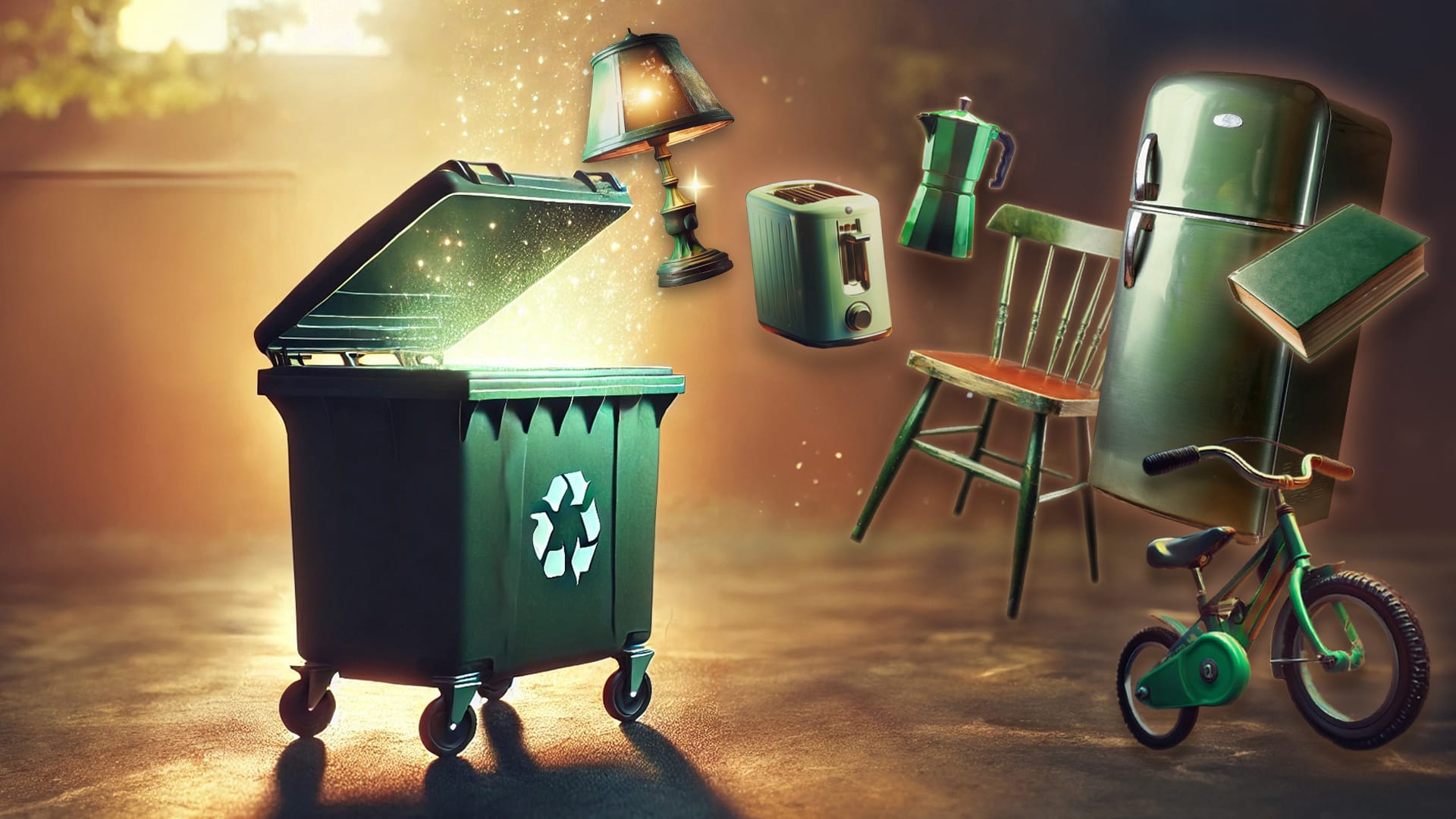
The Treasures lost at the waste sorting station project has concluded. The project linked the flow of usable materials and goods destined for landfills with their potential users, restorers, further processors, and entrepreneurs. Once materials and goods enter the waste station, they are considered “lost forever” due to waste legislation that hinders their redistribution.
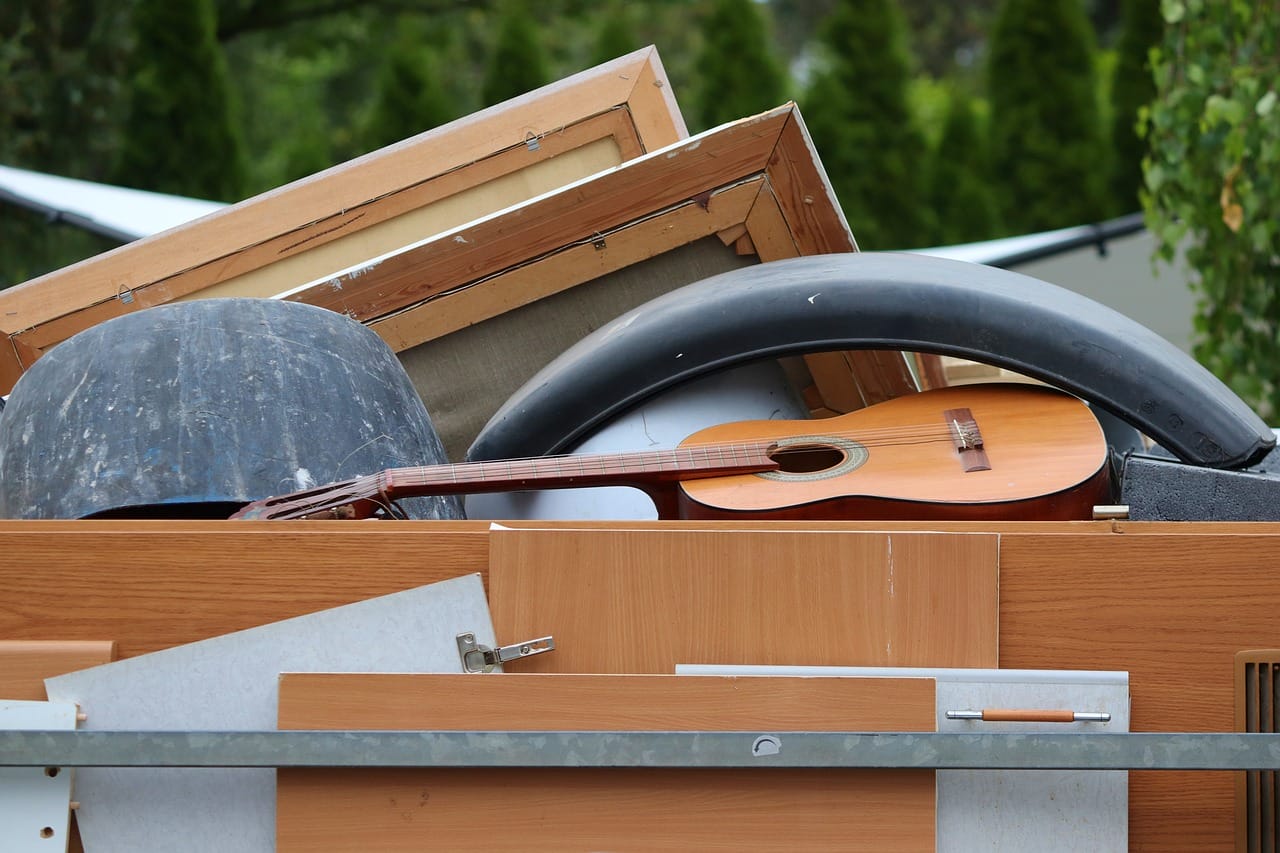
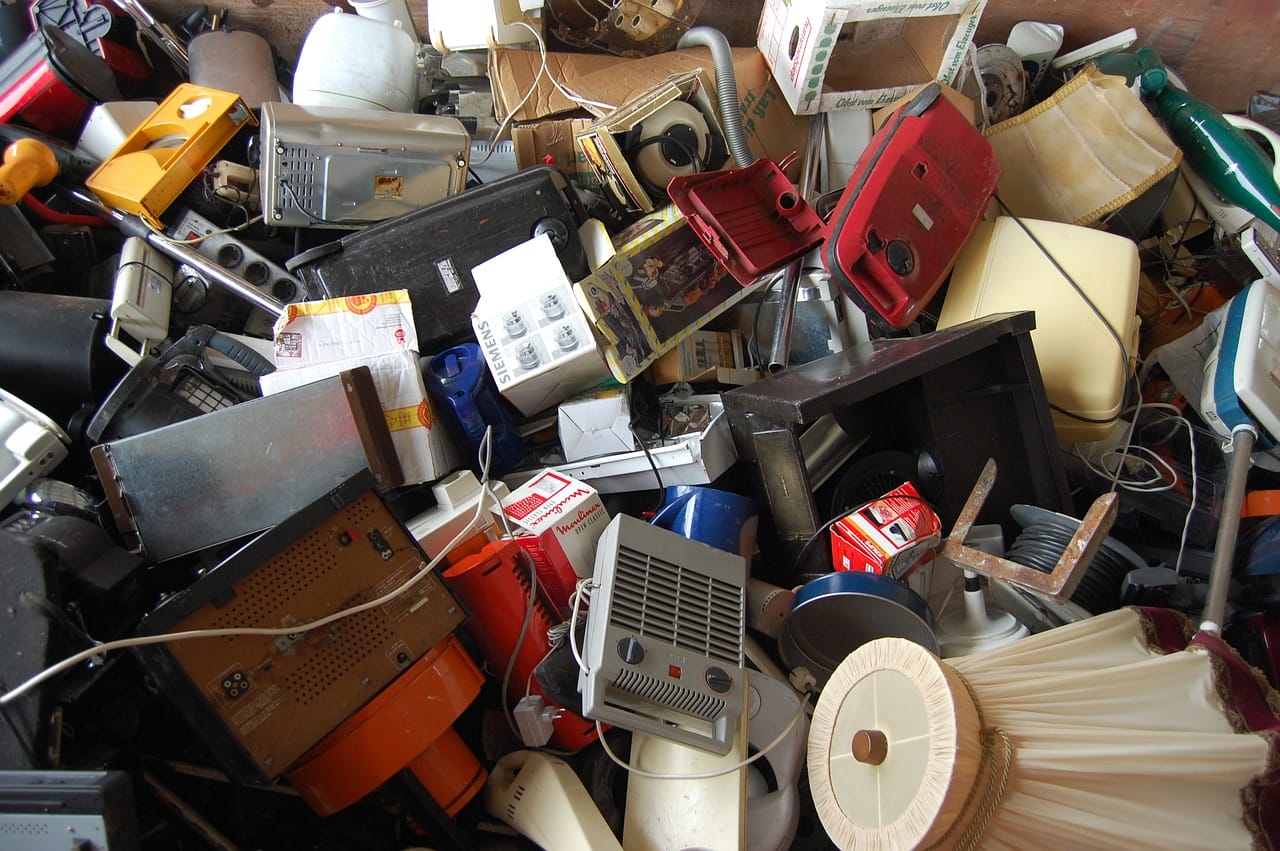
A significant amount of usable goods and materials still end up as waste, which, from the perspective of the circular economy, are wasted treasures
New solutions and innovative approaches
The treasures lost at the waste sorting station project supported the cooperation of public and private actors to promote the circular economy. The main goal of the project was to develop new solutions, innovative approaches and forms of cooperation to prevent waste generation and to enhance the reuse of goods and materials.
The project aimed to inspire and engage operators and customers to test the opportunities created by circular economy thinking and to generate and increase business in the consumer interface.
The main theme of the project was sustainable development
Main activities of the project were:
Work package 1: Creating an EcoVillage concept
- Drafting the EcoVillage concept, along with the development of it’s business and service models.
Work package 2: Teaching and engaging residents in EcoVillage activities
- Creating the EcoVillage brand and story
Work package 3: EcoVillage new business opportunities
- Mapping the material flow to the waste station and assessing it’s utilization potential.
Work package 4: Project management, information and communication
- Project management, stakeholder cooperation and communication of results
.
.
Circular economy requires cooperation
The project aimed to reduce waste at the consumer level and prevent its occurrence. Innovations that extend the life cycle and prevent the waste generation requires collaboration among public, private, and third-sector entities. Convening diverse stakeholders fosters the development of new business networks for processing and recycling.
EcoPark concept
The planning and construction of a new waste sorting station for Kymenlaakson Jäte Oy created an unprecedented opportunity to build a multi-actor EcoPark platform.
The development of the EcoPark service concept focused on achieving attractiveness and user-friendliness from the customer’s perspective. The objective was to establish a cohesive unit with uniform visual identity and clear guidance, to enable efficient operations across the area.
The process included identifying and conceptualizing solutions to support the functioning of EcoPark. Residents were engaged and consulted during the service concept development and students were involved in the planning process. Efforts were also made to ensure that the perspectives of immigrants were heard and taken into account
Sustainably – Together – Easily
Latest
In our latest blog, we reflect on a multicultural workshop held at Ekomaa Recycling Store in Kouvola. Sustainability is Human: Lessons from a Multicultural Workshop
Publications
European Journal of Sustainable Development Vol.14 No.3
Rethinking the Role of Circular Economy in Socially Sustainable Organizations Case: Ekomaa Recycling Store https://ecsdev.org/ojs/index.php/ejsd/article/view/1761
Xamk BEYOND 2025 Innovation
BEYOND CONSUMER CHOICES:HUMAN-CENTERED AND TRANSFORMATIVE PERSPECTIVES ON SUSTAINABILITY TRANSITIONS
NO LOST SOULS AT THE WASTE SORTING STATION
Contact
Head of RDI unit
Hanna-Kaisa Koponen
+358407368651
hanna-kaisa.koponen@xamk.fi
Projectmanager
Marika Kurkinen
+358505933812
marika.kurkinen@xamk.fi
RDI-Specialist
Satu Huurtomaa
+358505631334
satu.huurtomaa@xamk.fi
Facts
The treasures lost at the waste sorting station
Info
Budget
Project partners