




Growth from modern air traffic
to Eastern Finland
The project aims to initiate and expand air transport services in Eastern Finland. The diversification of these services will be supported through a range of targeted measures.
Boosting Competitiveness in Eastern Finland with Improved Air Transport Services
Key measures
We will develop an air transport partnership model for Eastern Finland with the aim of initiating and expanding the region’s air transport service offering. As a basis for building this partnership model, a study on funding models for air transport services will be carried out.
As part of strengthening the air transport network, seminars bringing together industry stakeholders and key partners will be organized to discuss developments in the air transport sector.
In addition, we will raise awareness among decision-makers and stakeholders at the national level about Eastern Finland’s air transport needs and the opportunities created by the future development of air mobility. To support these efforts, further studies will be conducted to facilitate the expansion of air transport services.
Strong air connections benefit us all.


New measures for GNSS interference protection
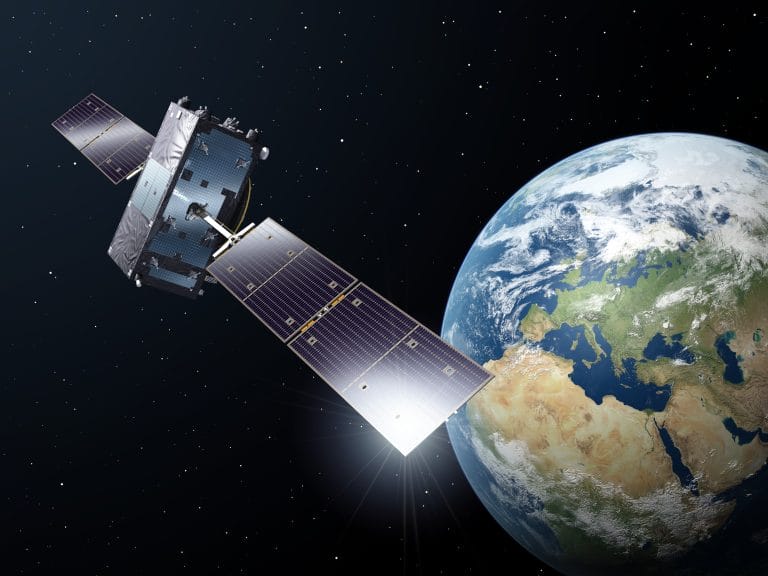
Interference with satellite navigation systems (GNSS) in Finland has increased significantly since 2022. This disruption affects a wide range of sectors, including aviation, maritime transport, emergency services, stock exchanges, and telecommunications networks. At present, Finland has limited means to prevent or respond to GNSS interference.
We commissioned a study from the Finnish Geospatial Research Institute (FGI) of the National Land Survey of Finland on GNSS interference in Eastern Finland. The study was published on 13 January 2026.
According to the study, ensuring reliable positioning requires both a service that provides real-time situational awareness and further research to develop backup systems and protection mechanisms for satellite navigation.
The study also presents measures to improve the safety and resilience of satellite navigation, as well as alternative positioning technologies. It examines solutions for mitigating and correcting GNSS interference from the perspectives of both crewed and uncrewed aviation.

Digital remote towers can secure the future of regional airports
Smaller airports in Finland are facing growing financial and operational challenges. Providing air traffic control through traditional staffed control towers is costly and limits the operational flexibility of airports.
A study conducted by Xamk and Independent Business Group Sweden AB examines the benefits of remotely shared air navigation services. The report analyzes the economic, operational, and security policy impacts of digital remote towers, particularly from the perspective of small and regional airports.
The technology is already mature and approved by regulatory authorities, but its deployment is slowed by a so-called transition gap. In the short term, existing operating models remain more cost-effective, while digitalization has the potential to reduce costs in the longer term.
The study also examines digitalization as part of national preparedness and resilience. An interconnected digital airport network would strengthen Finland’s ability to withstand disruptions and create conditions for the wider adoption of unmanned aviation and electric flight. The report recommends a national-level review and shared funding models to enable smaller airports to transition to digital solutions.
Articles

Digital Towers Can Secure the Future of Finland’s Smaller Airports