




Sustainable Value-Added from East Finland's Forest Bioeconomy
KELMI Project
The KELMI project aims to enhance value creation in forest-based bioeconomy products, services, and side streams, as well as to support the development of industrial ecosystems and circular economy solutions in Eastern Finland. The project develops comprehensive and sustainable approaches that promote the responsible use of forests and forest biomass.
Creating sustainable value in the forest-based bioeconomy
Growth Driven by the Forest Bioeconomy
The KELMI project develops new, sustainable, and high value‑added solutions for the forest‑based bioeconomy in Eastern Finland. The project aims to improve the efficient use of side streams from the forest industry, strengthen companies’ innovation capabilities, and promote sustainable regional growth.
Through collaboration and co‑development, the project advances forest‑based bioeconomy value chains so that the resulting products and services deliver lasting benefits for both the environment and the economy. KELMI engages SMEs in research, development, and innovation activities and provides concrete opportunities to participate in development processes.
The overall effort enhances corporate innovation capabilities and unites research organizations, companies, and regional stakeholders in collaborative development.
The project advances the objectives of the New Initiatives in the Forest-Based Bioeconomy growth programme by bringing together key research, development, and innovation actors in Eastern Finland. Participants include organizations from South Savo, North Savo, North Karelia, and Kainuu, as well as companies from the participating regions. Cross-regional collaboration enables the sharing of expertise and creates a foundation for new business opportunities.
Main project activities
The KELMI project addresses the forest-based bioeconomy as an integrated system, spanning forest management, industrial processes, and new product development. It assesses the climate, biodiversity, and economic impacts of forest use, develops solutions to improve the quality and processability of forest biomass and industrial side streams, and explores their use in high value-added carbon materials, biochar, mineral resources, and 3D printing.
The implementation of the project is divided into the following work packages:
Work Package 1. Added value from climate and nature benefits through forest management and use
WP 1.1 Carbon balances of forests and wood use, and diverse biodiversity values
WP 1.2 Climate and economic impacts of forest use in Eastern Finland
Work Package 2. Improving the efficiency of forest biomass use and extending value chains
WP 2.1 A new measurement system for assessing the properties of forest bioeconomy side streams
Work Package 3. Future products derived from forest biomass
WP 3.1 Production of novel carbon structures
WP 3.2 Development of the biochar production process
WP 3.3 Recovery of valuable minerals from ashes through thermal treatment
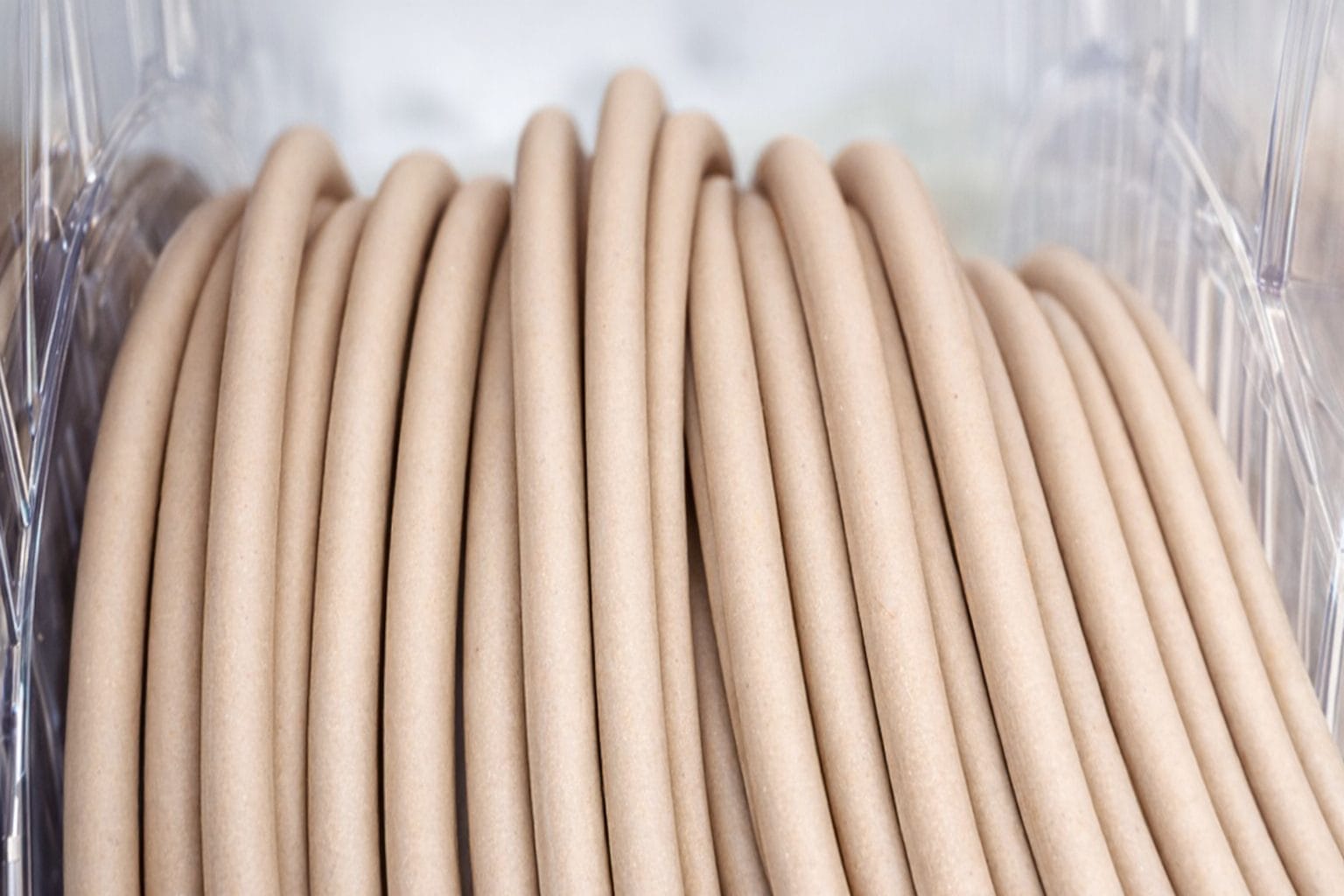
WP 3.4 3D printing materials from side streams of the mechanical forest industry
Work Package 4. Utilisation and dissemination of results
WP 4.1 National stakeholder and business cooperation
WP 4.2 International communication and networks
Novel biocomposite materials for 3D printing
Xamk’s sub‑work package focuses on developing bio‑based materials for 3D printing that support the circular economy. The main emphasis is on material functionality and how these materials can be used in the applications developed in other work packages. Special attention is given to wood‑based carbon fibre solutions that can replace fossil‑based reinforcement fibres, to strong wood‑based composite materials, and to lightweight and durable structures inspired by nature.
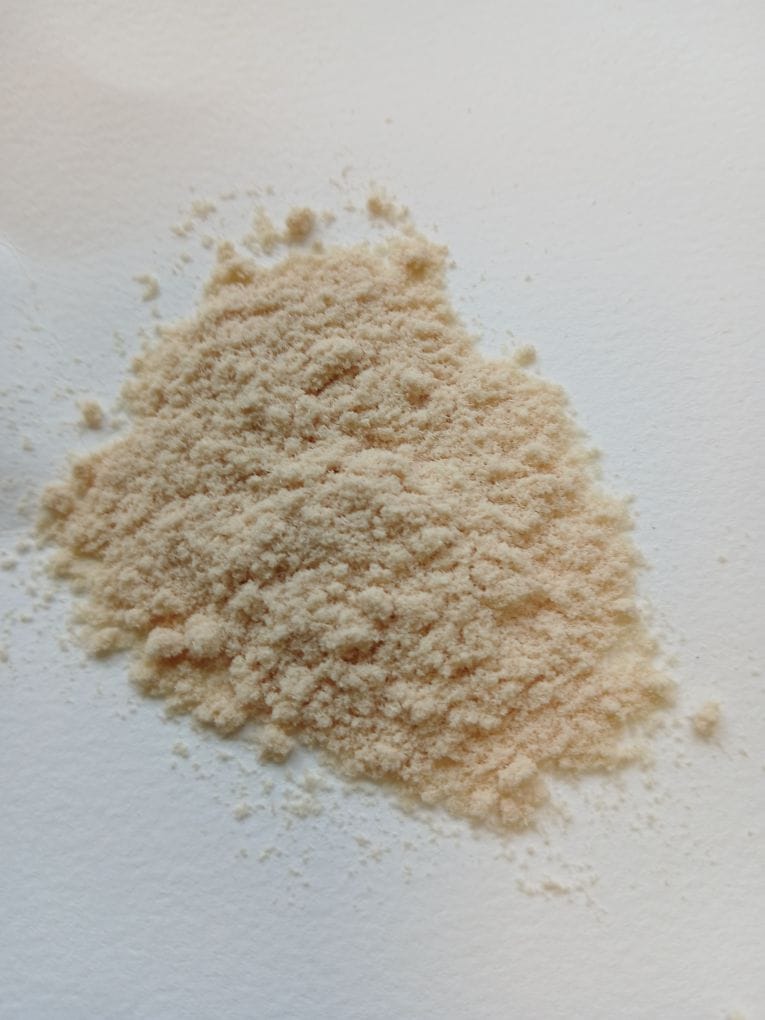
Based on earlier pilot tests carried out at Xamk and on international examples still under development, the project will test whether wood side streams from the regional forest industry can be used as fillers in 3D‑printable composite materials.
Sustainable materials for the future
Xamk’s work focuses on circular economy principles and reducing environmental impacts. Biocomposites offer an alternative to fossil‑based plastics in applications such as construction, transport, industrial tooling, and consumer products. At the same time, incorporating wood‑based carbon into products helps extend the carbon life cycle.
The project also produces knowledge on the recyclability and reuse of materials and provides data to support environmental impact assessment. Practical 3D printing demonstrations and close collaboration with companies help ensure that the research results can be applied in practical applications.
The objective is to demonstrate that wood‑based materials currently ending up mostly in energy production can be refined into more valuable products.
Facts
Sustainable Value-Added from East Finland’s Forest Bioeconomy (Kelmi) -project
Info
Budget
Keywords
Project partners