



MingleMeals
Photo: Engin Akyurt
The MingleMeals -project co-creates an innovative learning course focused on enhancing the social sustainability of mealtime care for the elderly.
The 30ECTS course brings best practice and innovation from research into teaching materials for students in nursing, social work, elderly care, tourism, and catering degree programs.
This is what we do!
Focus in the role of food and nutrition
The course will contribute to increasing the number of skilled professionals in elderly care and clarify the importance of working with nutrition, food and wellbeing among the elderly.
Nordic collaboration
Each country contributes with specific knowledge, and it creates an opportunity for students as well as teachers to be inspired by each other. The study course qualify them as professionals to support and innovate rehabilitation programmes and good meal experiences for the elderly with a focus on nutrition, wellbeing and sustainability.
Measures
Partners have monthly online meetings to plan and modify the content of the study course.
Workshop 1. Denmark, Nov 2024.
Workshop 2. Norway, Feb 2025.
Workshop 3. Finland, April 2025.
Workshop 4. Denmark, Nov 2025.
Workshop 5. Norway, Feb 2026.
Workshop 6. Finland, April 2026.
MingleMeals: meals and togetherness for older adults
MingleMeals course (23 ECTS) focuses on enhancing the social sustainability of mealtime care for the older adults and brings best practices and innovations based on research into teaching materials for students. The course clarifies the importance of working with nutrition, food loneliness and wellbeing among the elderly. It introduces the profession of being a meal host at hospitals, nursing and everyday support of the elderly living at home or in nursing homes in relation to food supply, food service, nutrition and meal situations, or using meals as an arena for rehabilitation interventions.
The students will develop new competencies which will qualify them as professionals to support and innovate rehabilitation programmes and good meal experiences for the elderly with a focus on nutrition, wellbeing and social sustainability.
The target groups of the MingleMeals course are:
- students in nursing, social work, nutrition and health, older adults care, tourism, hospitality services and studying bachelor’s degree programs;
- professionals in older adults care and services and food services.
The pilot version of the MingleMeals has been developed in the project MingleMeals 1.0: Connecting Kitchens and Institutions for Nutritional Social Wellbeing for elderly in the Nordic Communities 2024. The new course will be evaluated and developed further in MingleMeals 2.0 project. The final version will be published after the full assessment process in spring 2026.
Content
The MingleMeals course is comprised of 5 modules: Gerontology, Nutrition, Loneliness, Meals 1 and Meals 2.
Practical information
The course was developed to be 100 % online, with the university setting the timing of completion.
All the modules are mostly carried out in the Thinglink eLearning environment. The university supplies students with the link to the service. In Thinglink, the learner can find all modules, relevant materials and tasks. Thinglink guides students through the whole learning programme. Some tasks are done in the Padlet environment, where students can see each others’ answers and comment on them. We are strongly encouraging our learners to interact with each other and share thoughts, ideas, comments and practical projects.
In the end of each module, students will take the final exam on the same e-learning platform.
Copenhagen workshop 7-8th November, 2024
Copenhagen workshop was held on the 7-8th November 2024 and the team consisted of: Kai V Hansen, Michelle G Petersen, Lise Justesen, Riitta Tuikkanen, Annele Urtamo who were the main partners, and with the pedagogical and technological expertise of Jakob Hedegaard and Helge Suneson.
During the workshop, we got introduced to the learning platform ThingLink which is focused on the visual representation of the educational materials. This tool provides immersive learning on any device and is built in an easily accessible manner for all kinds of students. the platform.
Together, we developed the backbone of our course and decided to divide it into modules which are time and pace flexible for the sake of accessibility for international students with different schedules. We were very keen on the idea of Togetherness as the umbrella concept for the whole course. Under this agenda, we have created following modules: Nutrition, Gerontology, Meals, Loneliness. Each module has a responsible actor on the development stage.
Incorporated into the course was the learning design that we call ABC: Arena Blended Connect.
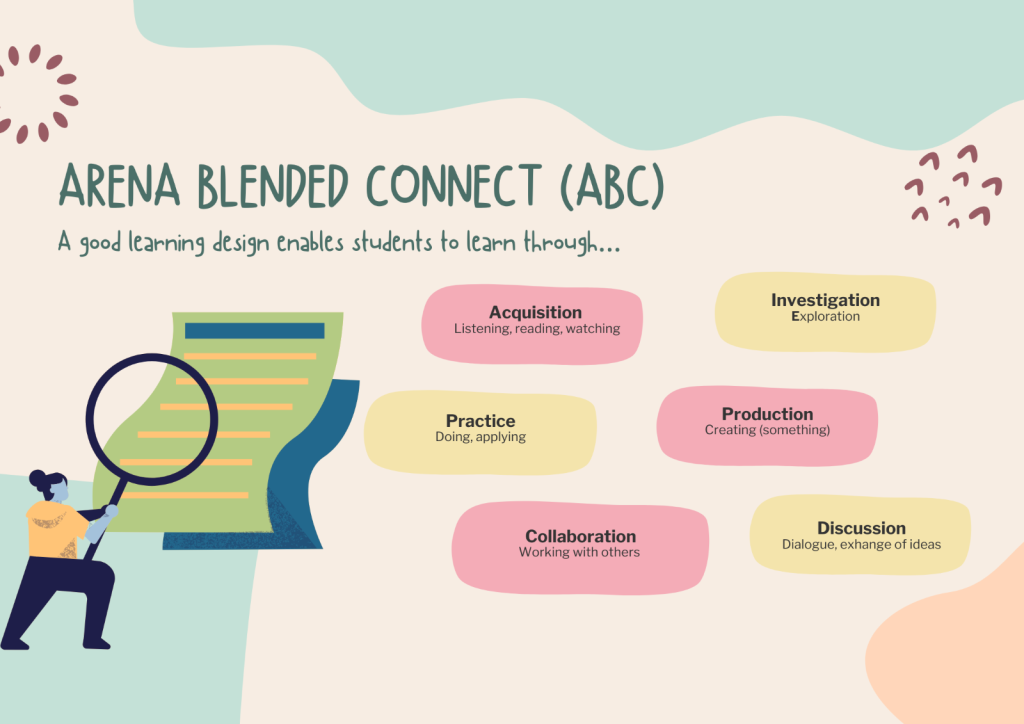
It includes the steps necessary for effective and inclusive studying of the subject: Acquisition, Investigation, Practice, Production, Collaboration and Discussion. Each step is a comprehensive learning experience helping the students develop certain academic skill. For example, during Acquisition students learn the information from listening to lectures or studying materials, while during Investigation they will compare, research and evaluate materials. Practice entails the students applying their skills to achieve their goal; for example, the information that they learnt on how to create sustainable meals, could be applied for building a diet for an elderly person for a week. Feedback on the Practice stage may come from peers, self-reflection or the teacher, and it helps in development of the result. Production is the next step of Practice where students actualize their work in form of presentation, seeking the way of applying their skills in the real world. Collaboration is an invaluable step which contains Discussion, Production and Practice and implies working together in groups. Learning from each other is always a useful experience for any learners. Discussion is the process of brainstorming a problem sharing opinions and insights which motivates open-mindedness.
Now we are faced with an interesting challenge: how do we achieve our Learning Outcomes, e.g., the skills learnt having implemented steps like Discussion, Production and Practice, in a course that is a 100% online? This is a great topic for us on our upcoming meetings.
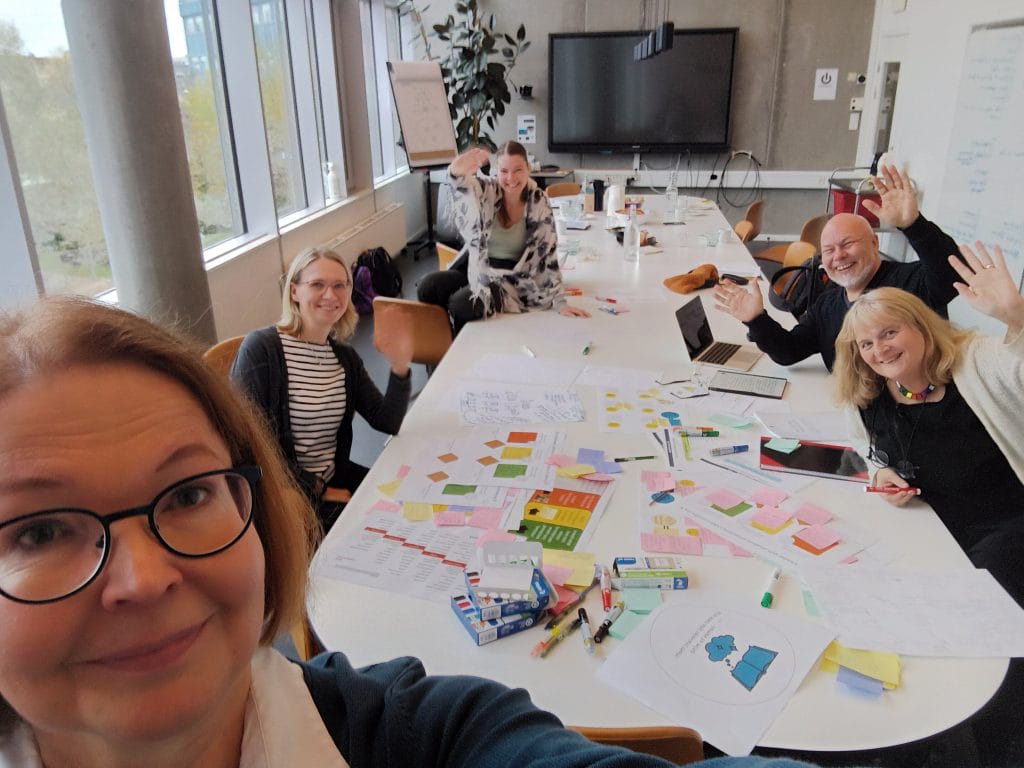
brainstorming with the team
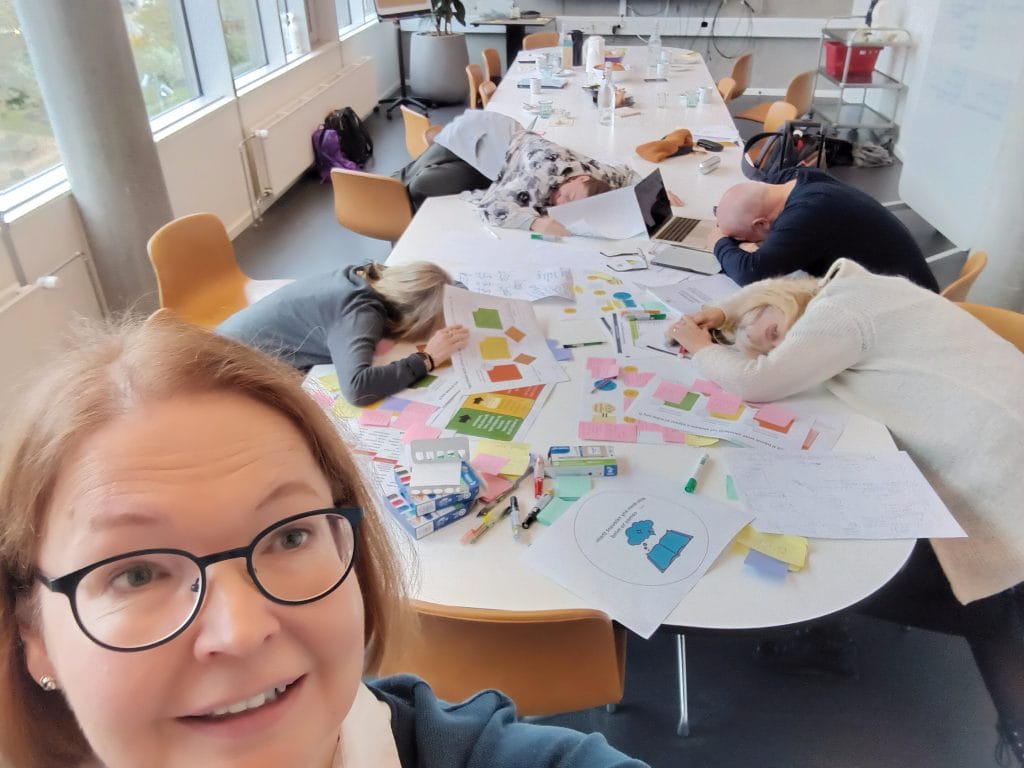
in dire need of a coffee break
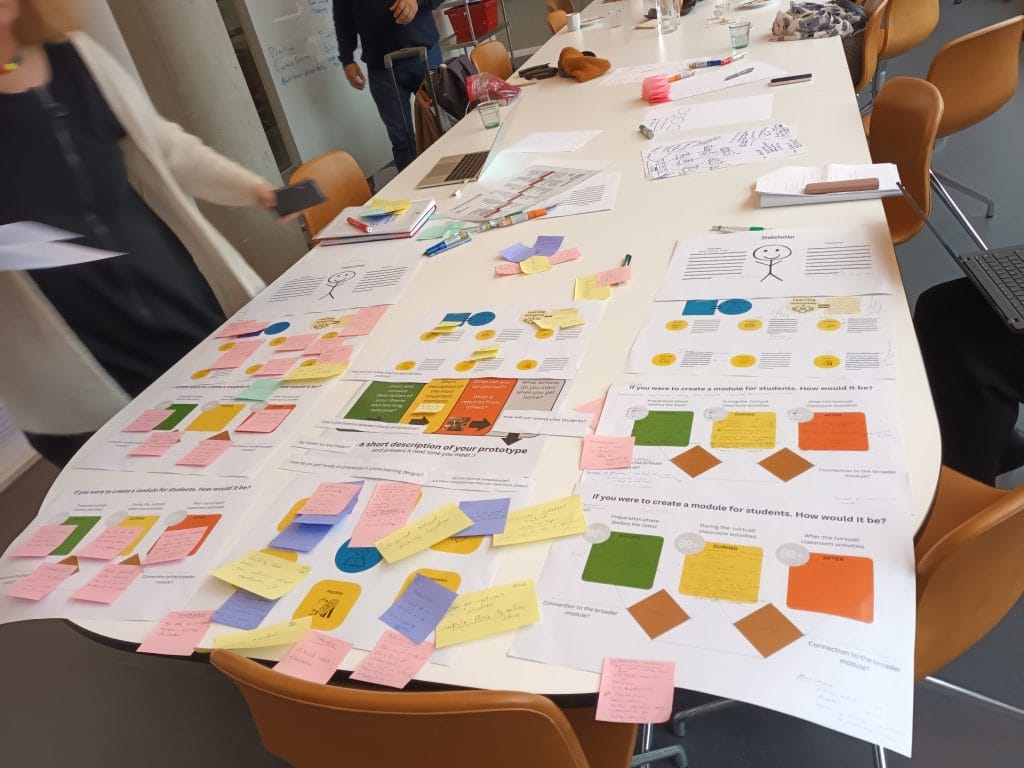
backbone of the course ready
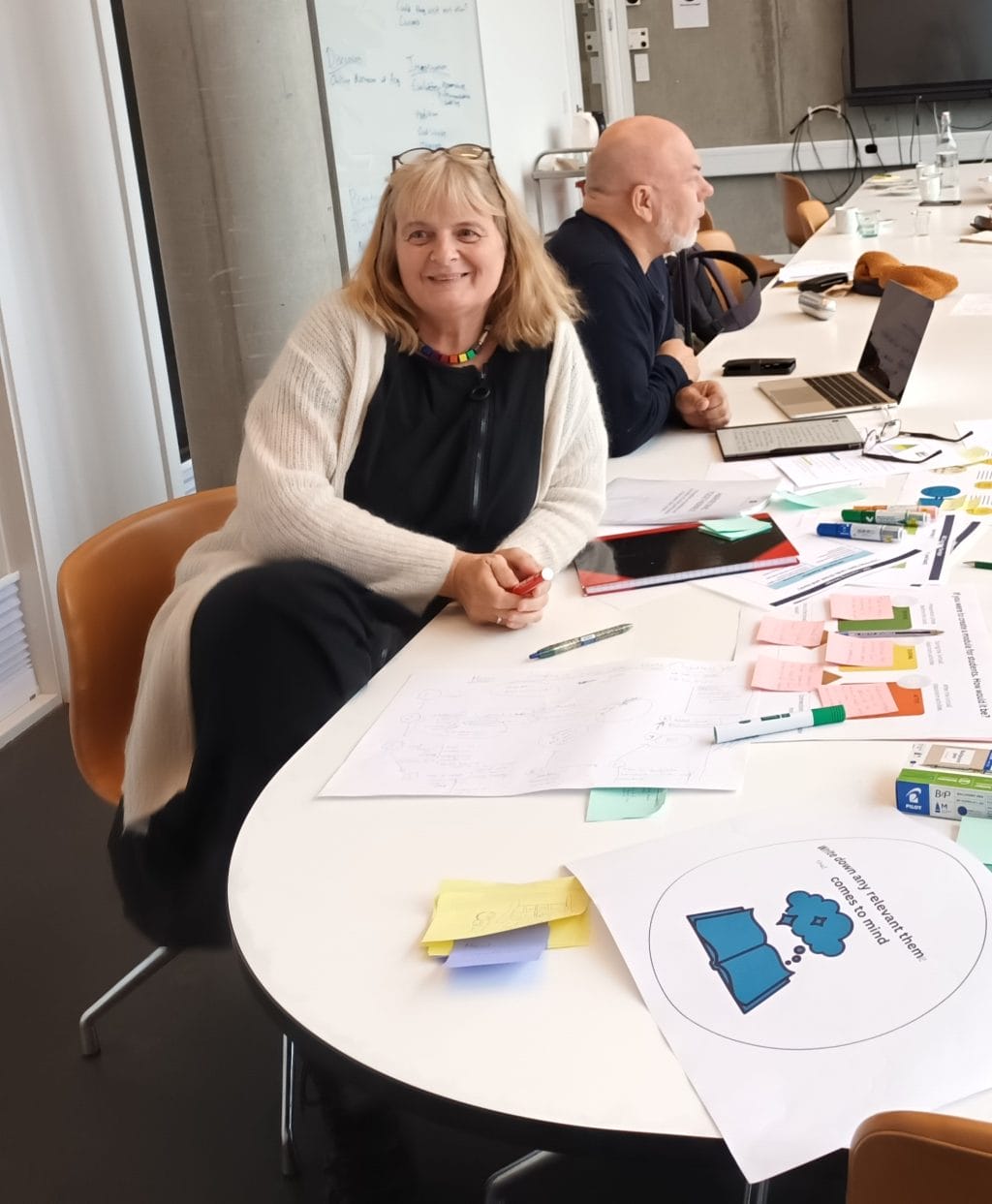
satisfying job
Stavanger workshop 13-14th February, 2025
The Stavanger workshop took place in the modern University of Stavanger in the atmosphere of internationality and mutual respect. The first day began with a word from the Head of the Department of Leadership and Service Innovation after a quick breakfast. She presented us with a short speech about the educational programs available at the faculty.
Workshop chairperson was Kai Hansen of the Stavanger University. Our international team consisted of: Riitta Tuikkasen and Annele Urtamon from Finland, and our colleagues from Copenhagen: Lise Justesen, Michelle Gundal Petersen and Helge Mørch Suneson. Together, we kicked off the main discussion by catching up on our work since the last online meeting.
Helge was our irreplaceable guide in navigating the creative bulk of the workshop: visualisation of the educational material. Using Canva, we shared our ideas and realized them immediately. Important points of the brainstorming process were the visual style of the educational modules, their structure and their availability for the students. It was inspiring to see the result of our ideas in the form of the main page of our course on the learning platform ThingLink. We put further discussions into the detailing of the modules.
The second day of the workshop saw us trying our hand in Canva; we created pages on our own and received important insights about the accessibility.
The Stavanger workshop provided us with important and fruitful exchange with our Nordic colleagues and was an important threshold on the path of making our course easy and understandable for a wide variety of learners.
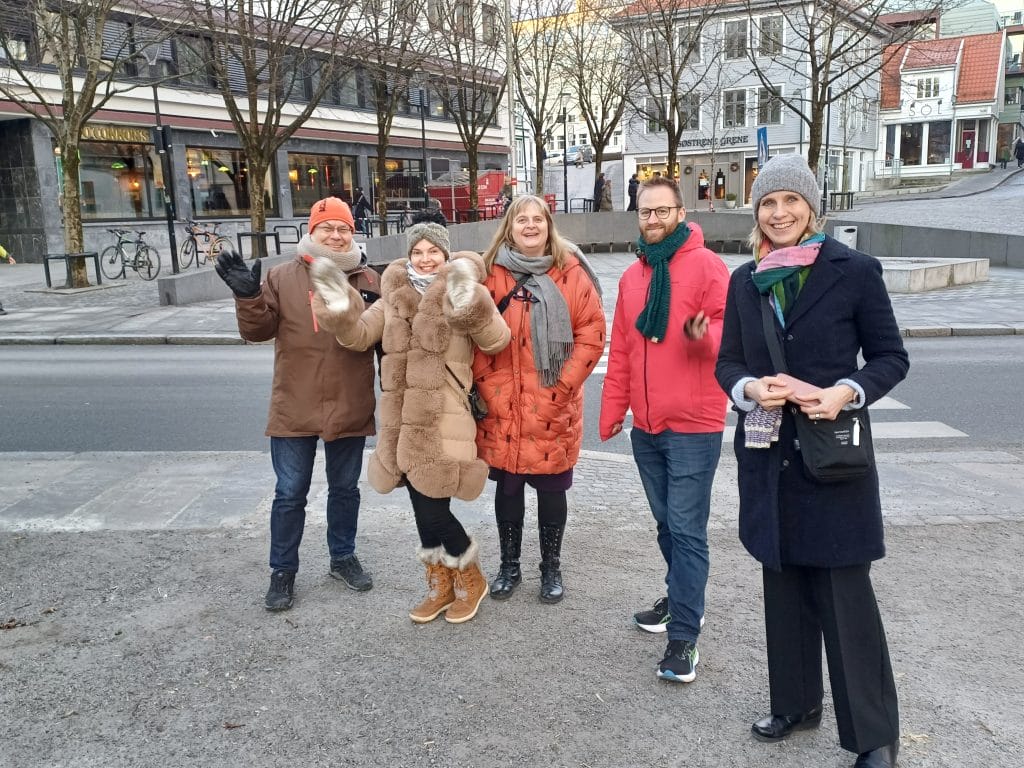
meeting for a brief city walk
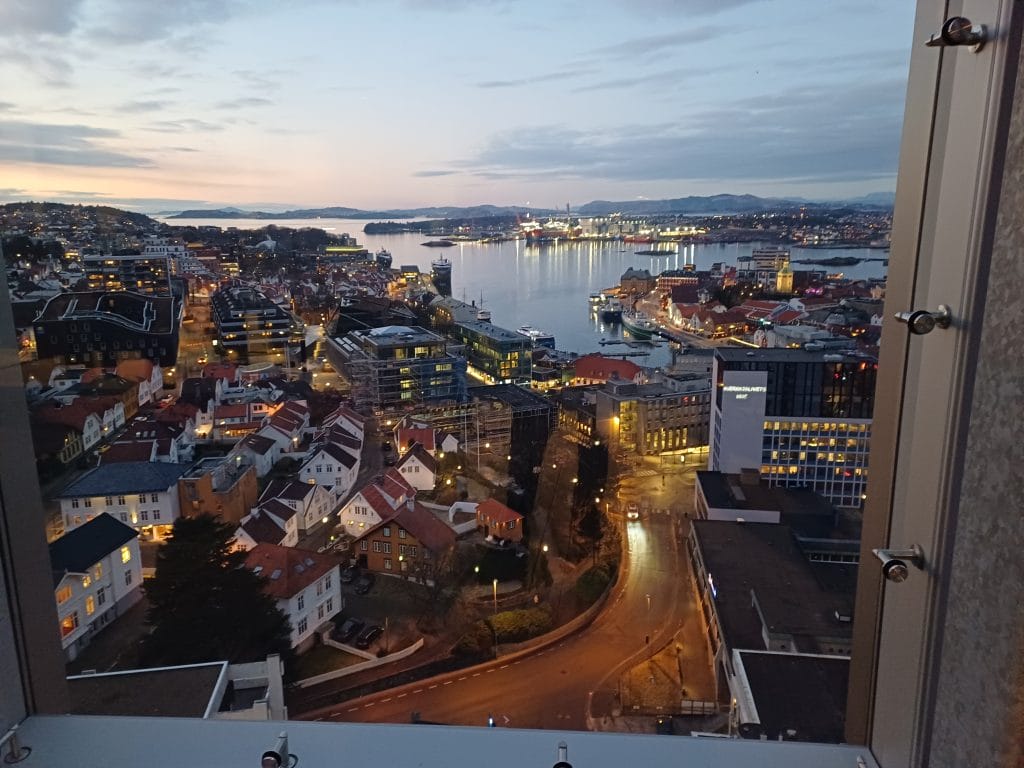
view of the evening Stavanger
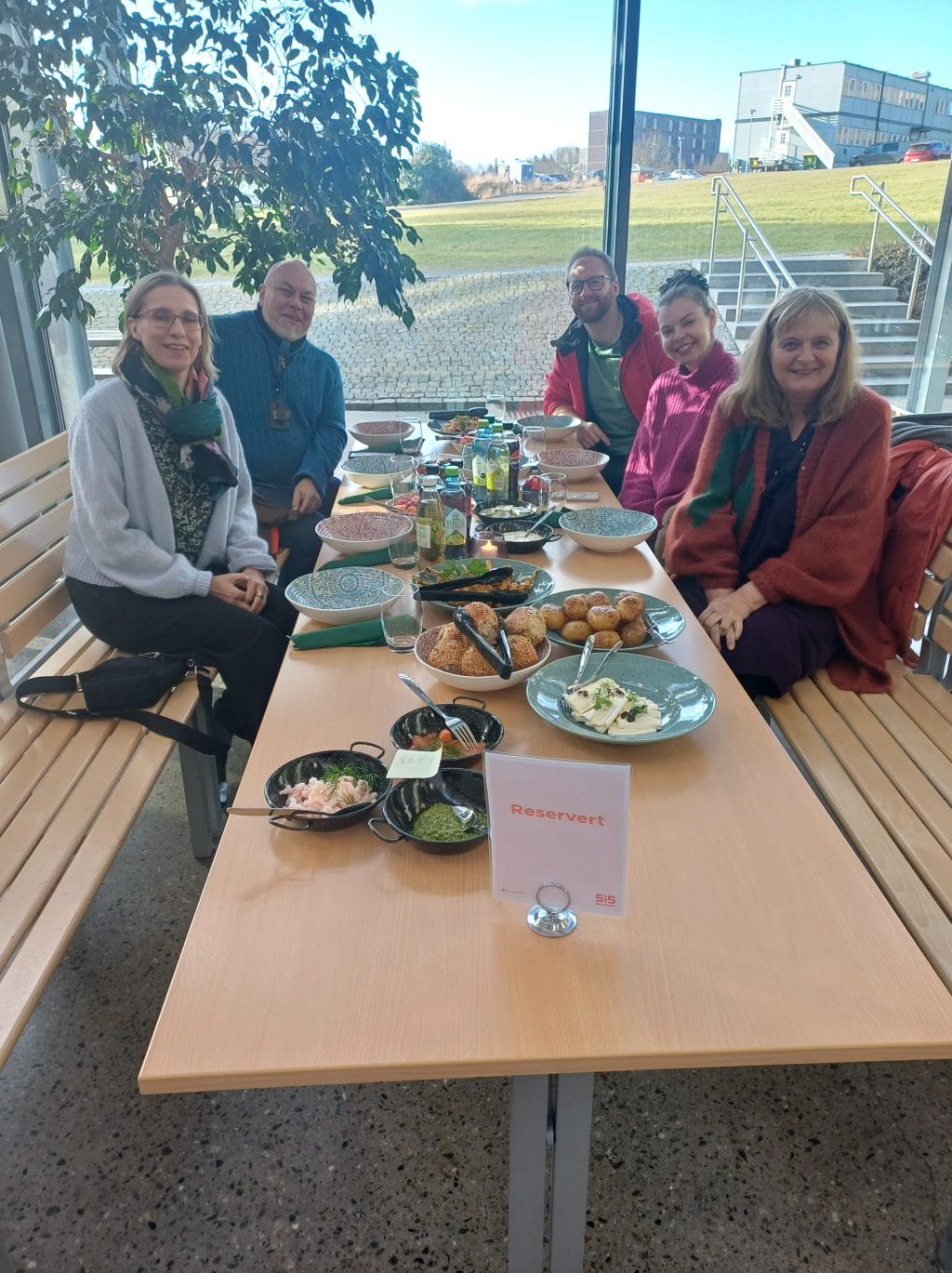
with the team at the Stavanger University lunch buffet
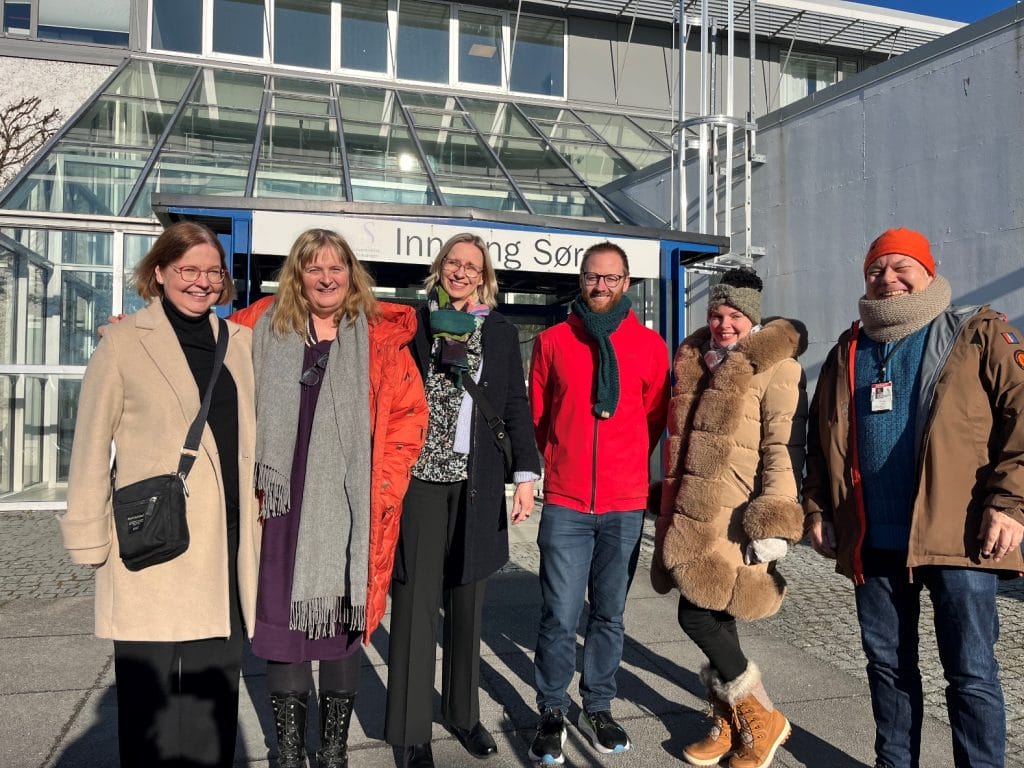
happy to have conquered Canva
Mikkeli workshop 24-25th April, 2025
We had a fruitful discussion during our third workshop where we polished the length and evaluation criteria of our MingleMeals course. Importantly, we have settled on the final name of it: MingleMeals, Meals and Togetherness for Older Adults, which reflects on the values of unity, mutual help and support.
Other points included defining our target groups and fleshing out the desired outcomes of the learning process. The 100% of the course will be held online: this format makes it easier for each university to implement its own schedule. Students can also take the modules in any order because, as we have established in the previous workshops, they are flexible in structure.
We continue working with Canva, aiming to transfer all its templates into our ThingLink platform and make the learning visual, appealing and engaging.
We also are currently working on the general MingleMeals course description.
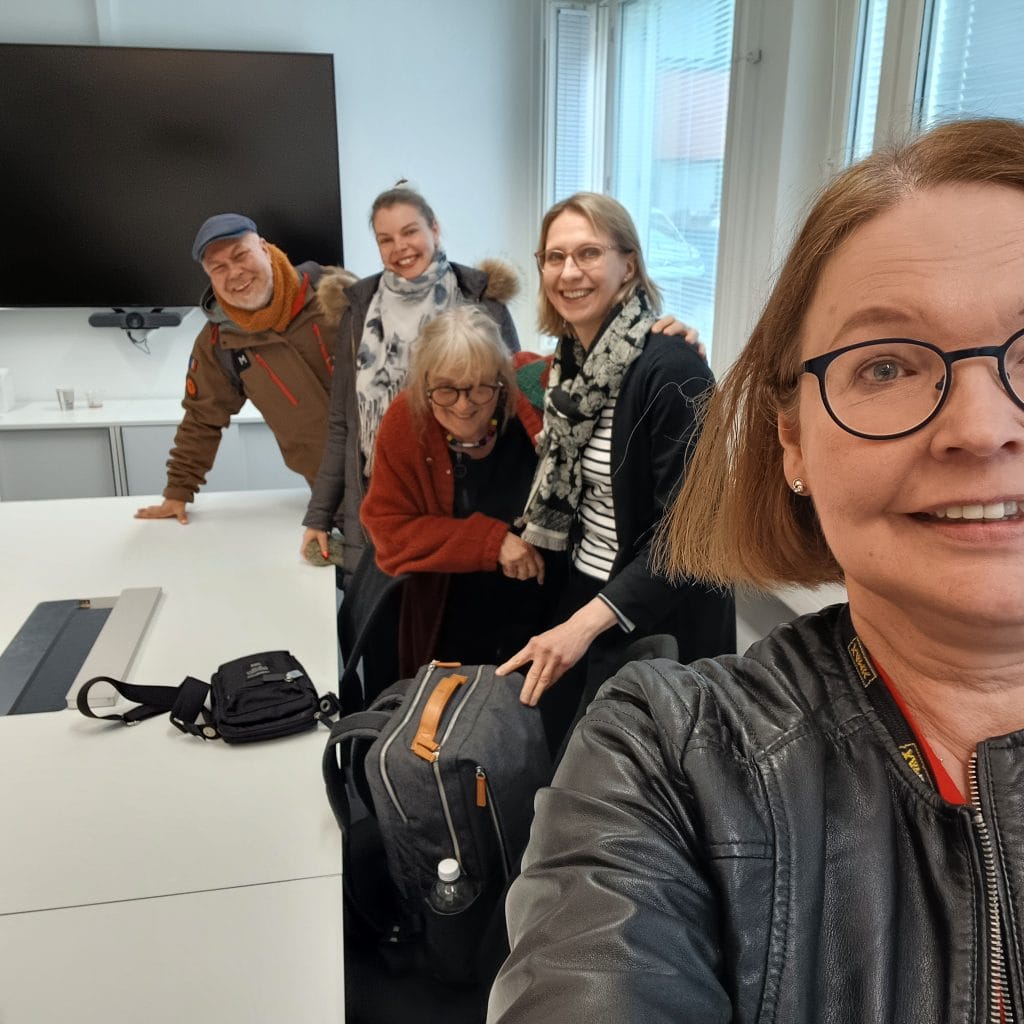
reuniting at the campus in Mikkeli
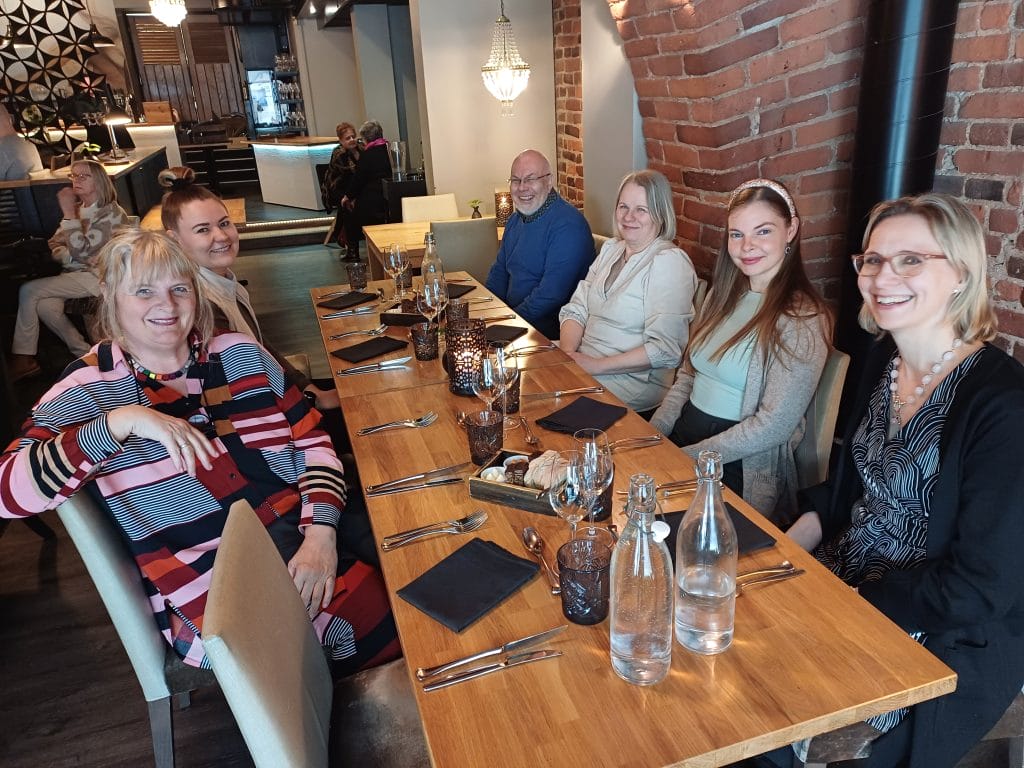
lunch at the restaurant Holvi
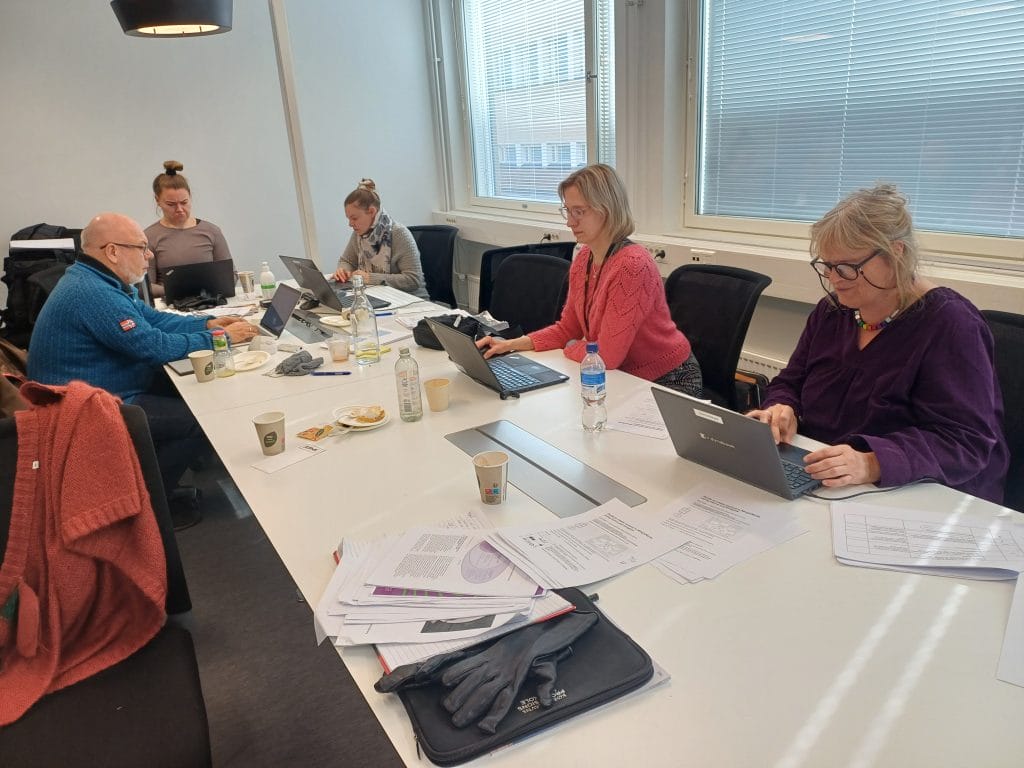
working on target audiences and desired outcomes for the course
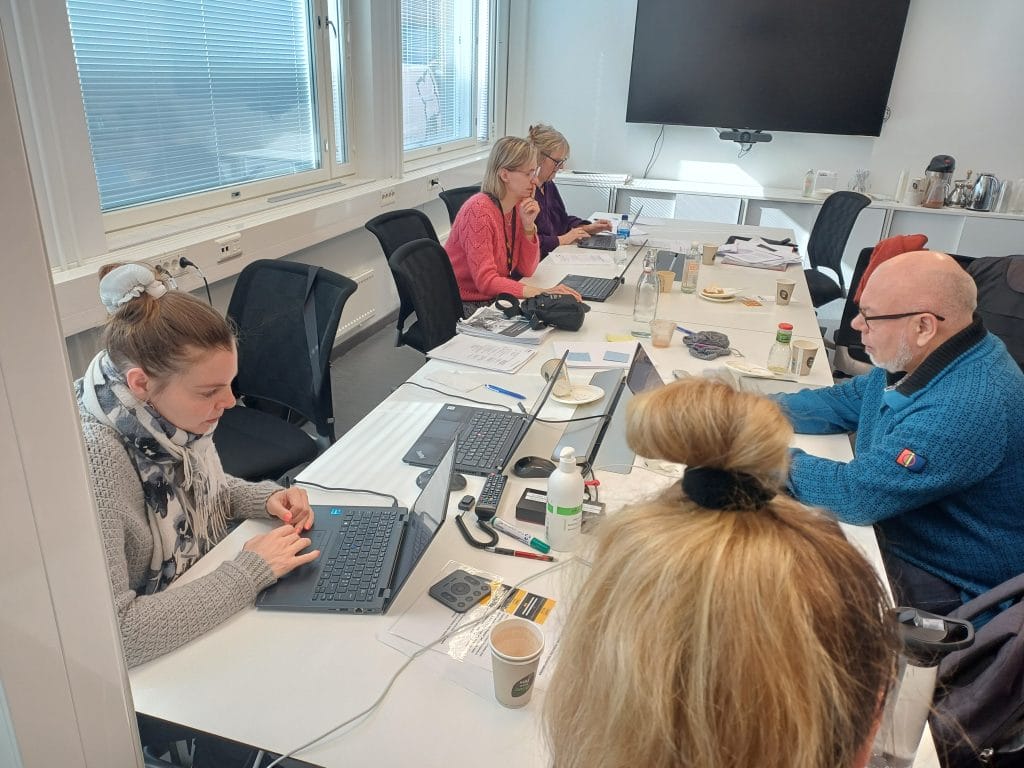
latest workshop engaging process
Copenhagen workshop 20-21st November, 2025
On the 20th and 21st of November, 2025, we had our first workshop of the MingleMeals 2.0 in Copenhagen. We have discussed our goals and plans for the Mingle Meals 2.0 project and the next application of MingleMeals 3.0. The participants were: Professor Kai Victor Myrnes-Hansen (Norway), PhD, Lise Justesen and assistant professor, Michelle Gundal Petersen (Denmark), Principal Lecturer Annele Urtamo and Principal lecturer Riitta Tuikkanen (Finland) – all expressed their ideas in the atmosphere of friendly collaboration. It was really nice to meet again and start our new project.
One of our main activities is development of the course. We looked at each module at the workshop and decided what we will develop. The agenda is that the modules will be ready by the time we meet in Stavanger in February 2026. We started to innovate the new interactive module; and will continue the development work in Mikkeli as we meet in April. A discussion on Nordic framework began: we are collecting ideas at this stage, of what nature it will be.
The main purpose of our interactive module is to connect our international students. They will get tools to develop services for older adults together, deepen their understanding of the issue, and get new opportunities to work with fellow pupils from different Nordic countries. A singular module including reinvented approach will allow participants from all involved countries to come together online and share their knowledge and ideas in the process of learning.
What is our interactive module about? It will allow the freedom of creating on their own. Having familiarized themselves with the body of the course, they will learn the service design methods – which are the key to creative liberty for practice in their field. Students will have practical tasks to present their projects and collaborate together across the network.
at a restaurant
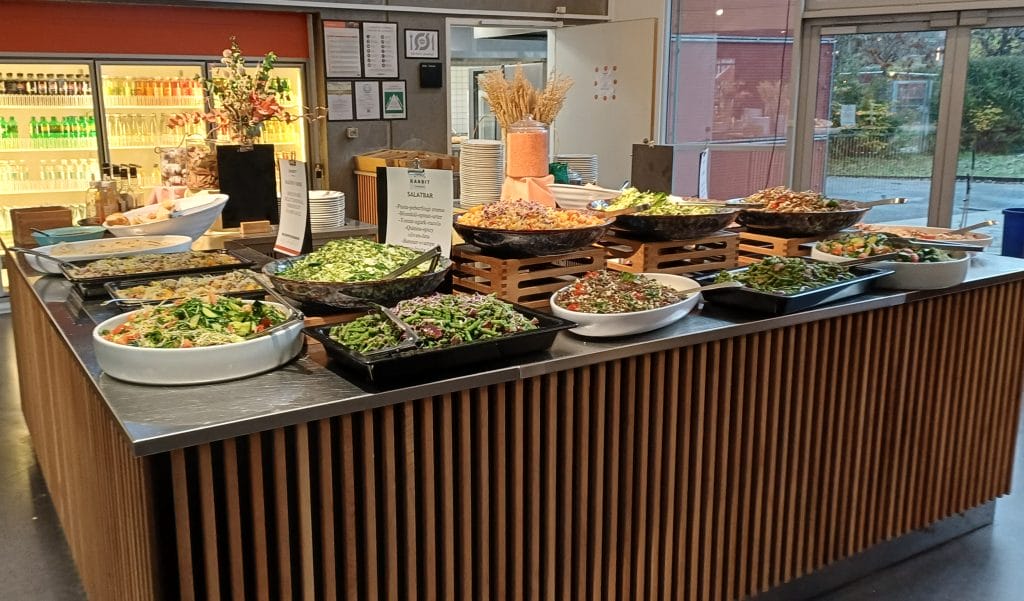
Copenhagen University lunch buffet
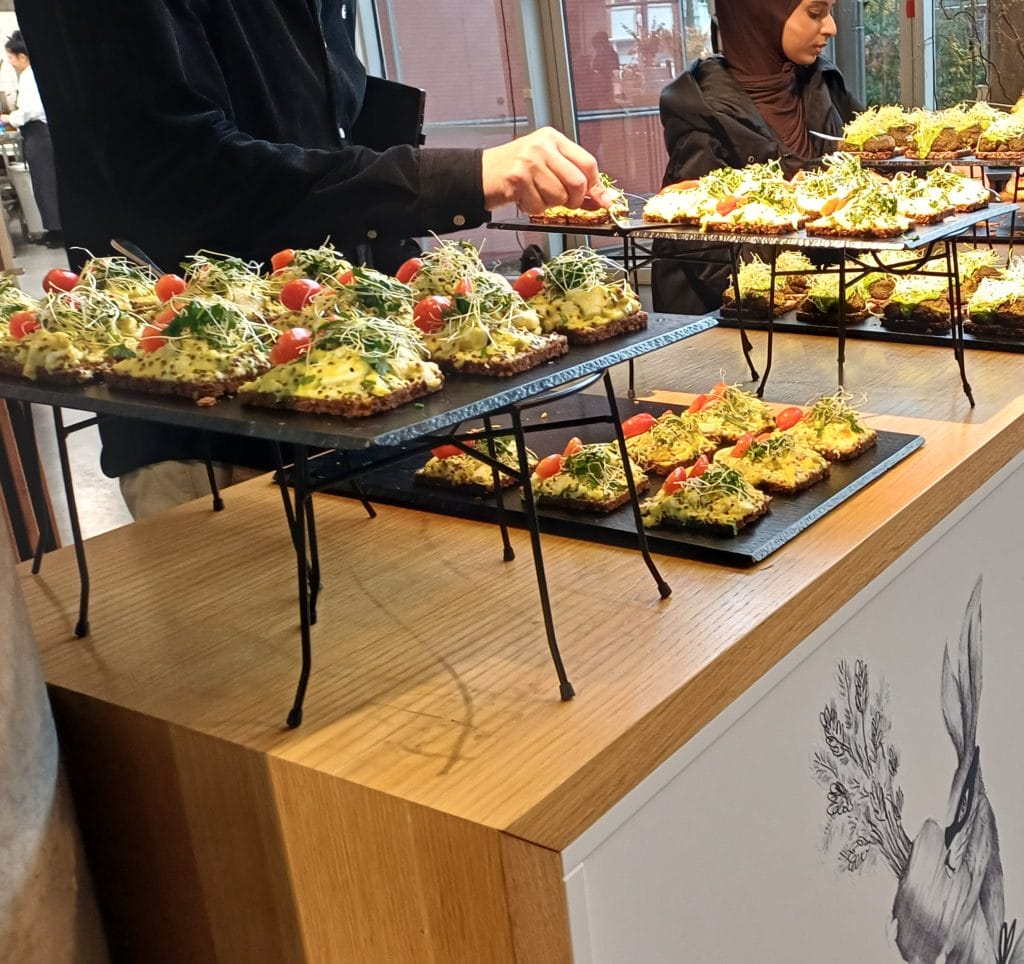
nutritious snack

Copenhagen before Christmas
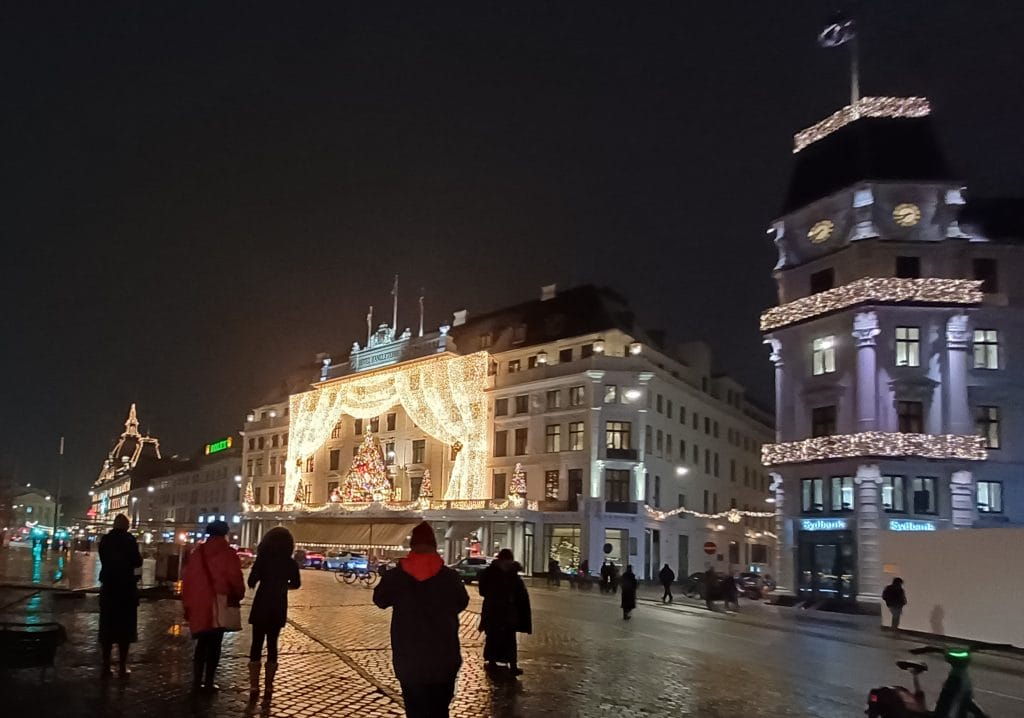
beautiful city welcomed us
Stavanger workshop 18–20 February, 2026
From the Finnish side, Riitta Tuikkanen and Annele Urtamo participated. Michelle Gundal Petersen and Lise Justesen from the University College Copenhagen joined, thus once again completing our classic work team with Kai Hansen who was our host.
We gathered in Stavanger, Norway at the University of Stavanger (UiS). On the first workshop day, February 19, we were welcomed to a presentation about the university’s organisational reform. After, we went to the working mode presenting the current status of the project modules in ThingLink. Together, we analysed the course and established the goals of our workshop. During the day we had coffee breaks and a lunch at the university restaurant. Lise and Michelle worked on the Meals module in ThingLink. The team also worked on Canva designs. Overseeing the work done so far, we managed to outline further design improvements of the materials.
Among significant achievements of the workshop was a table of contents of themes and subthemes for our Togetherness course. Annele and Riitta also worked hard on the evaluation form which will help us gather feedback about the course through a questionnaire.
On Friday, 20th February, the team continued to plan, review and plan the modules and develop fruitful development ideas. Meals module got forward significantly.
Even though the workshop days were highly productive, busy and intense, we managed to also see Stavanger and have great dinners at local places.
Collaboration with our Nordic colleagues proved once again to be rewarding and functional: we complete each other’s expertise and constantly learn new things together.
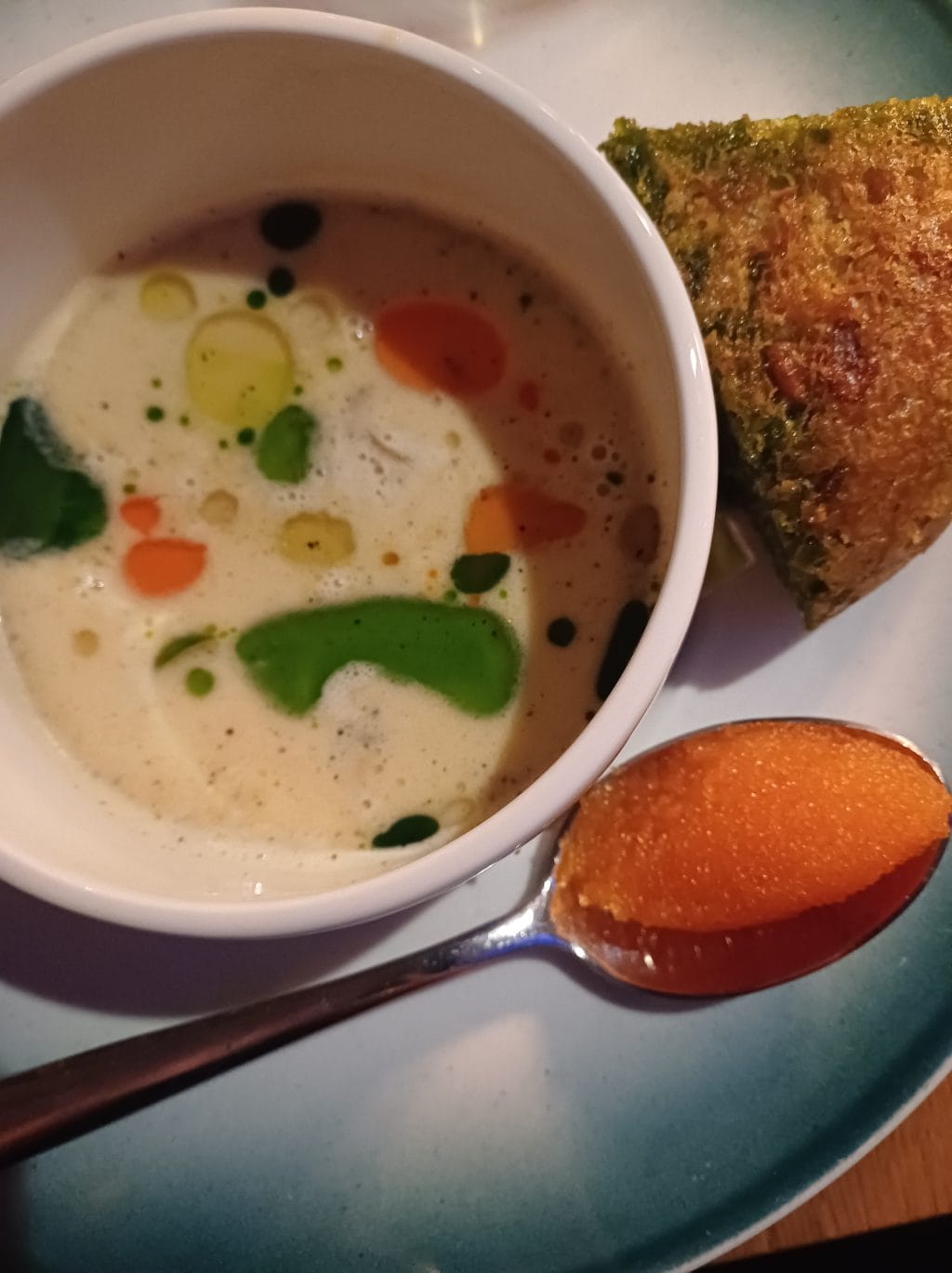
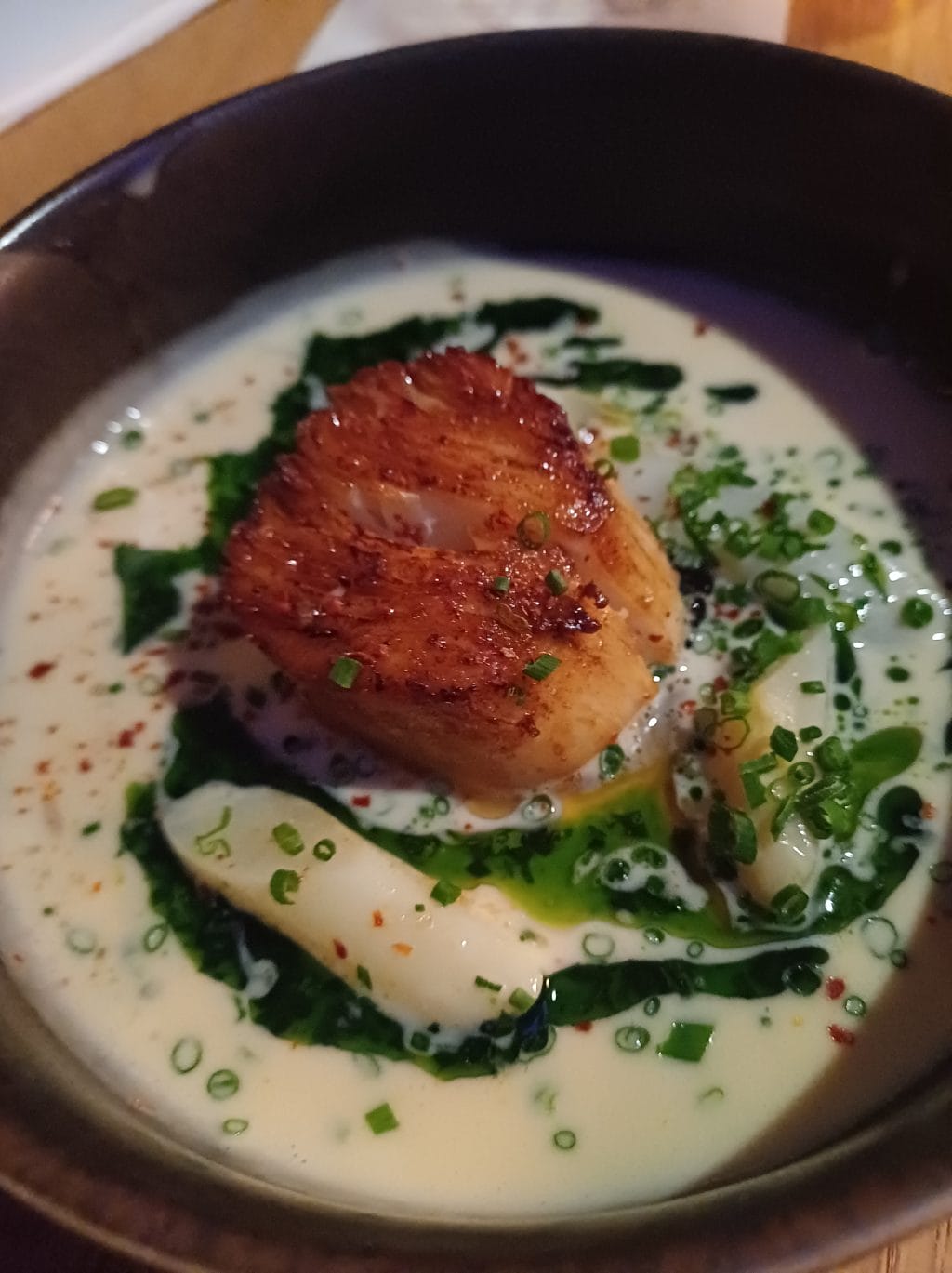
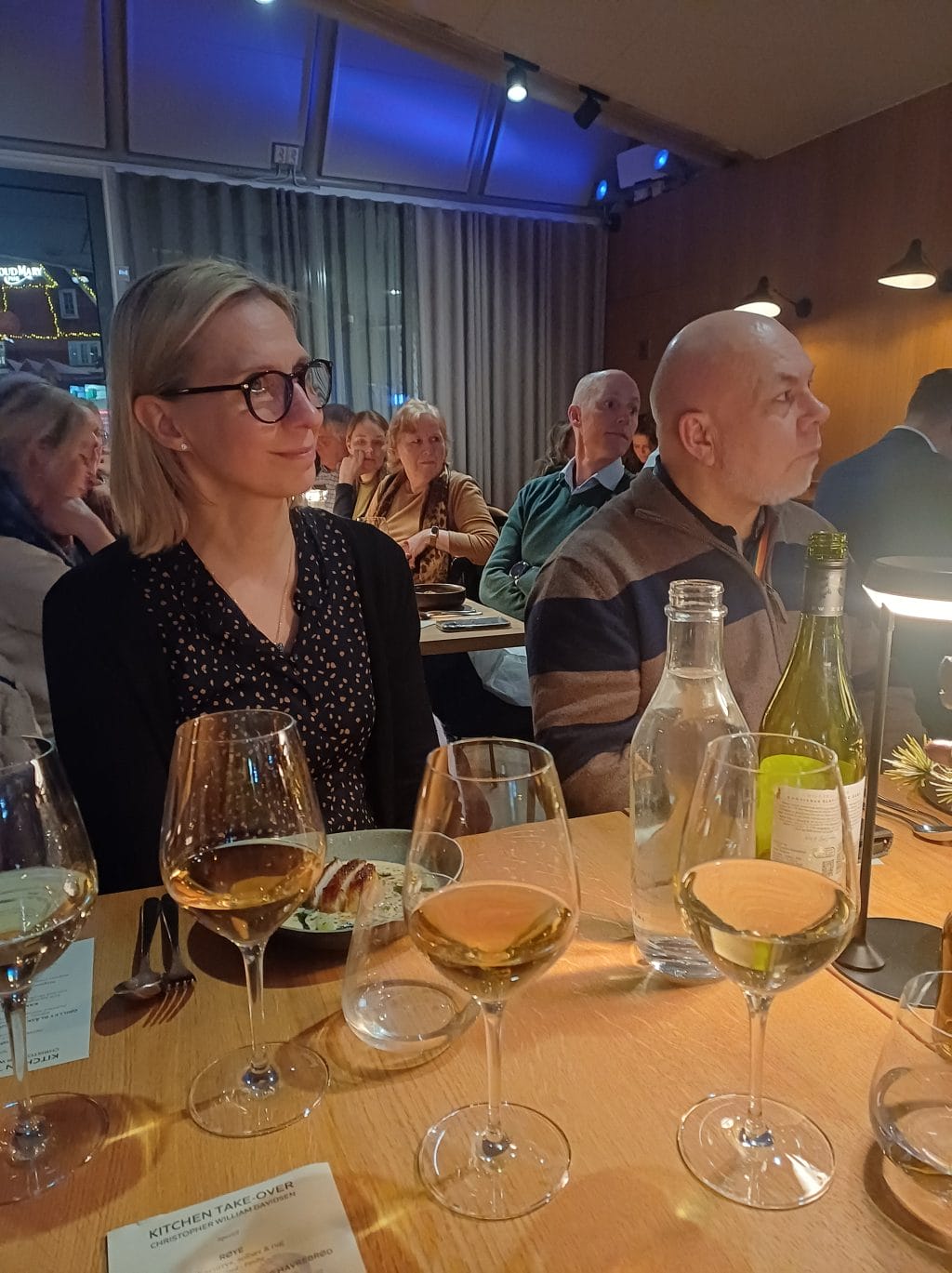
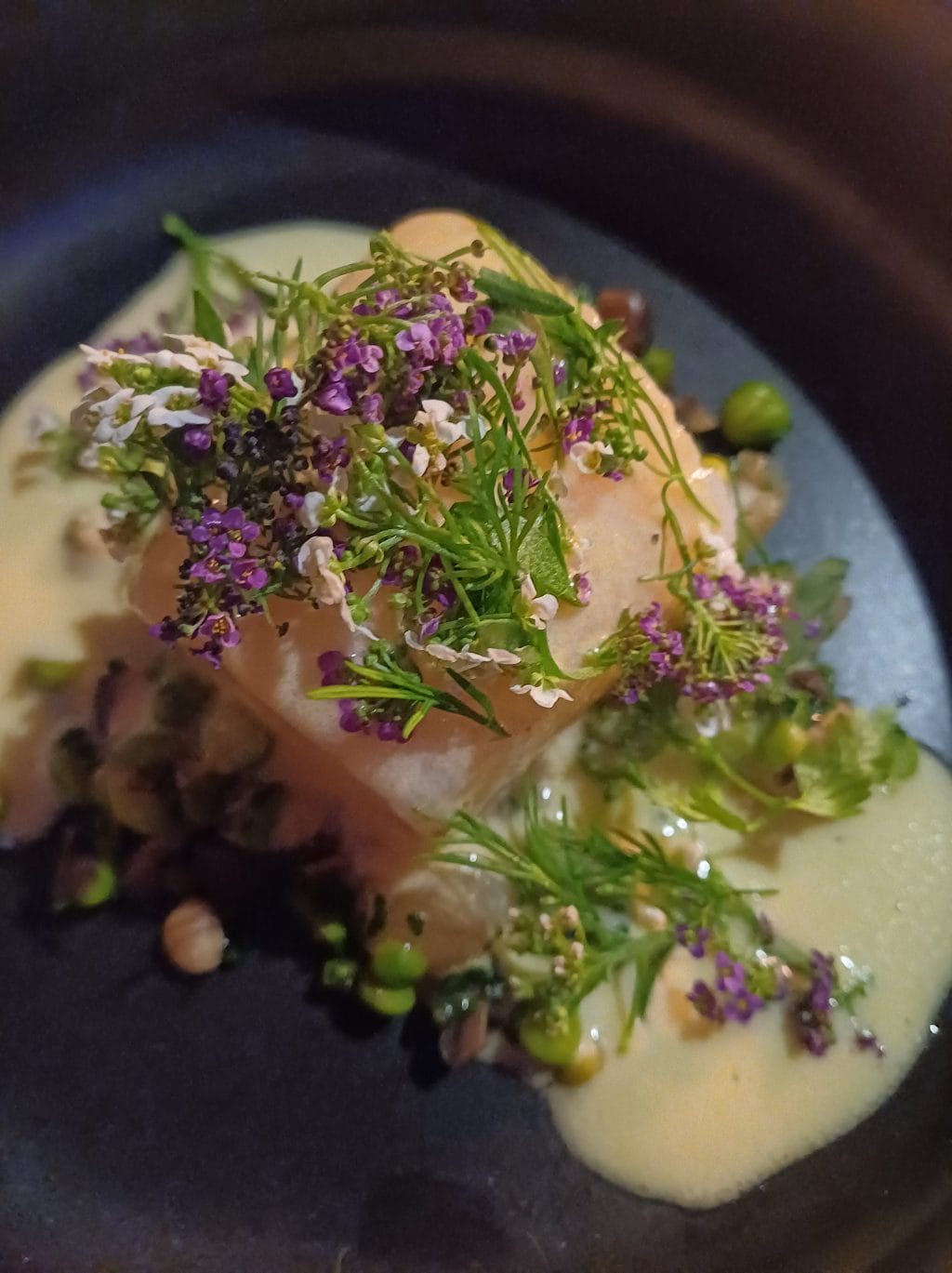
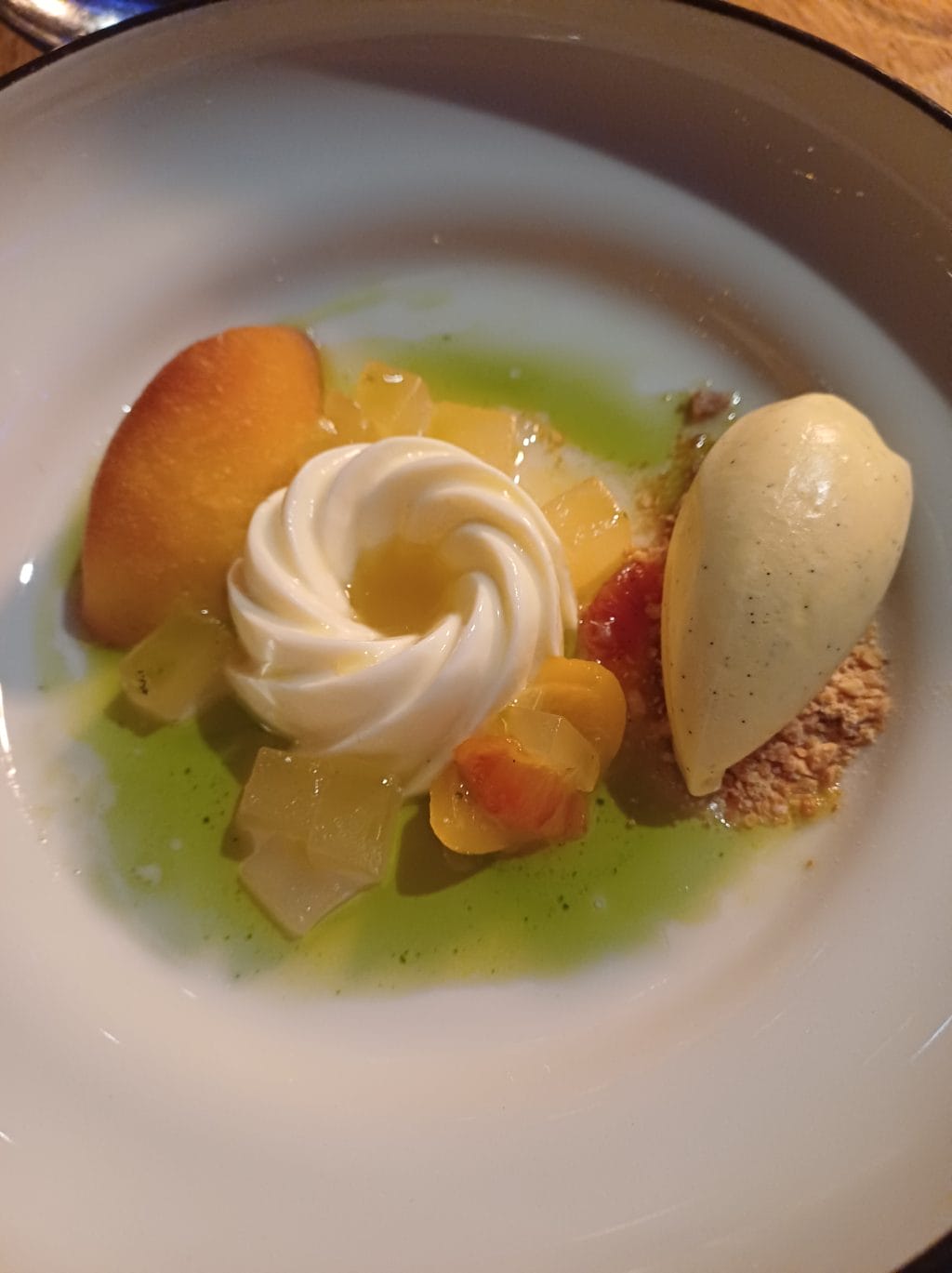
In Stavanger, the team attended a meal event at he Fisketorget restaurant. William Davidsen, a talented local chef, hosted a Kitchen Takeover event where the team members got familiarized with the intricate cuisine. William Davidsen is an award winning culinary innovator who is known for staying true to authentic Norwegian flavours.
Mikkeli workshop 23-24th April, 2026
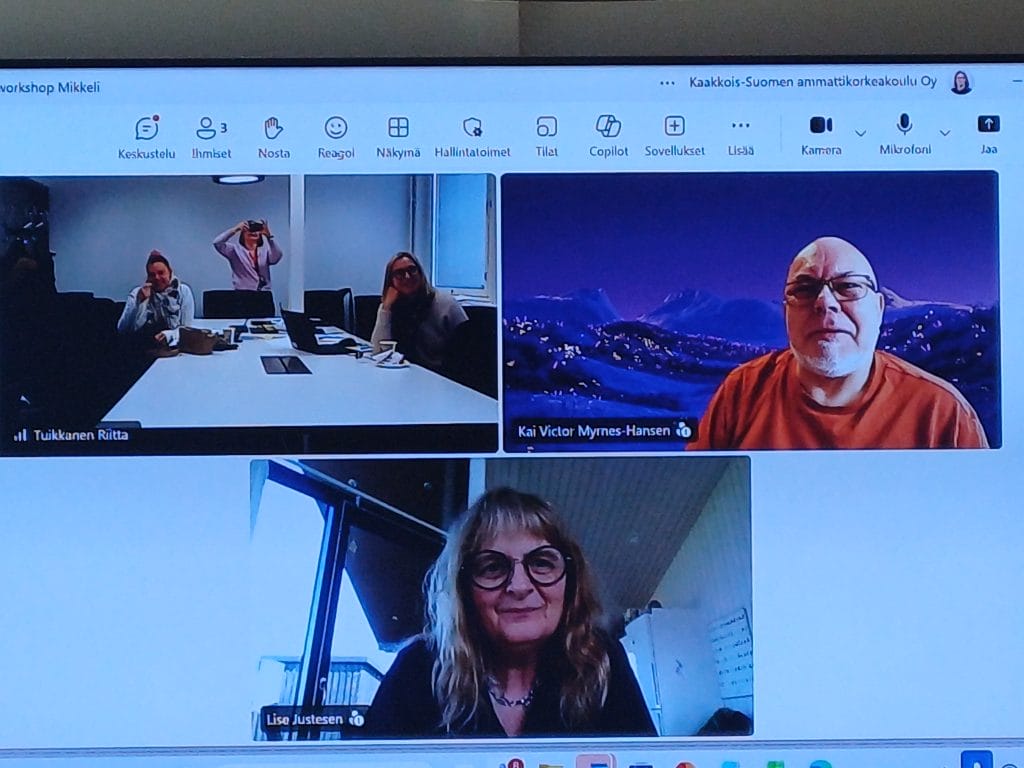
Lise Justesen (through Teams), Kai Victor Myrnes-Hansen (through Teams), Michelle Gundal Petersen, Riitta Tuikkanen, Annele Urtamo and the intern Kseniia Zharkova participated in this workshop.
This time the team gathered in Mikkeli’s campus of XAMK and started off by reviewing the Webropol questionnaire feedback for our course. Upon analysing the data, we made the following observations:
The strong suit of the Togetherness course is that it’s diverse an consistent with useful materials that support learning.
As a development suggestion, we outlined the instructions for students on usage of ThingLink, and general navigation. Another development opportunity is the abundance of diverse icons used in the course that will benefit from unifying.
Our intern Kseniia, who joined us on the first day, is now preparing the script for the navigation tutorial video, and the list of unification ideas for all modules.
Later in the day we worked on the key elements of good meal practices to promote healthy eating among older adults. The model was brainstormed in accordance with the various factors: nutrition, loneliness, meals and gerontology. We discussed all our ideas as a team, immediately exchanging ideas and putting them down using Padlet, which, agreeably, is also planned to be used for our students who take the course.
On the 24th, we continued the brainstorming on a slightly shorter day and came up with a handful of new initiatives on implementation of the interactive module.
The next meeting we are having is in August. We are now striving to plan, implement evaluate a communal meal event for the older adults.
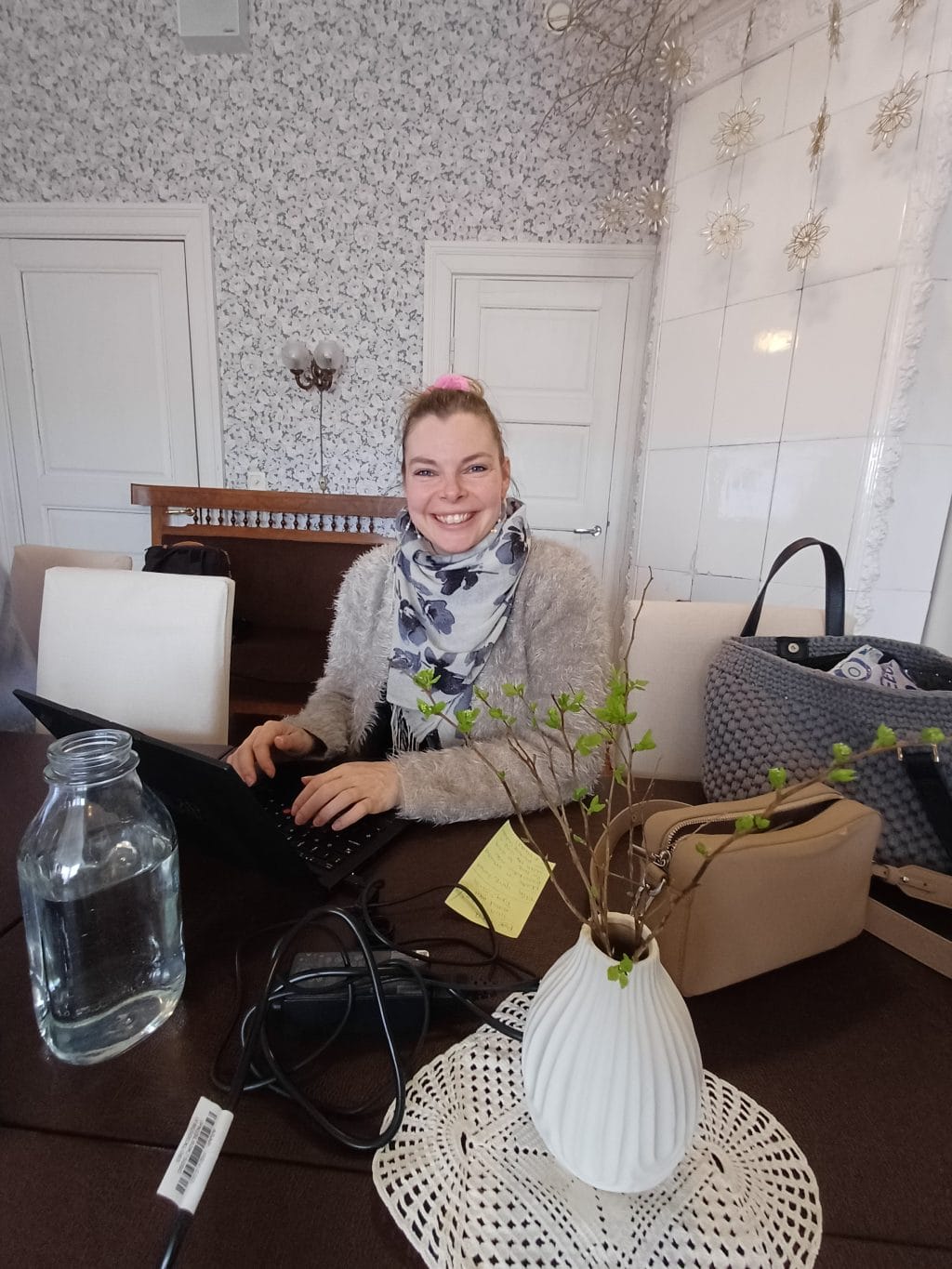
Michelle at work
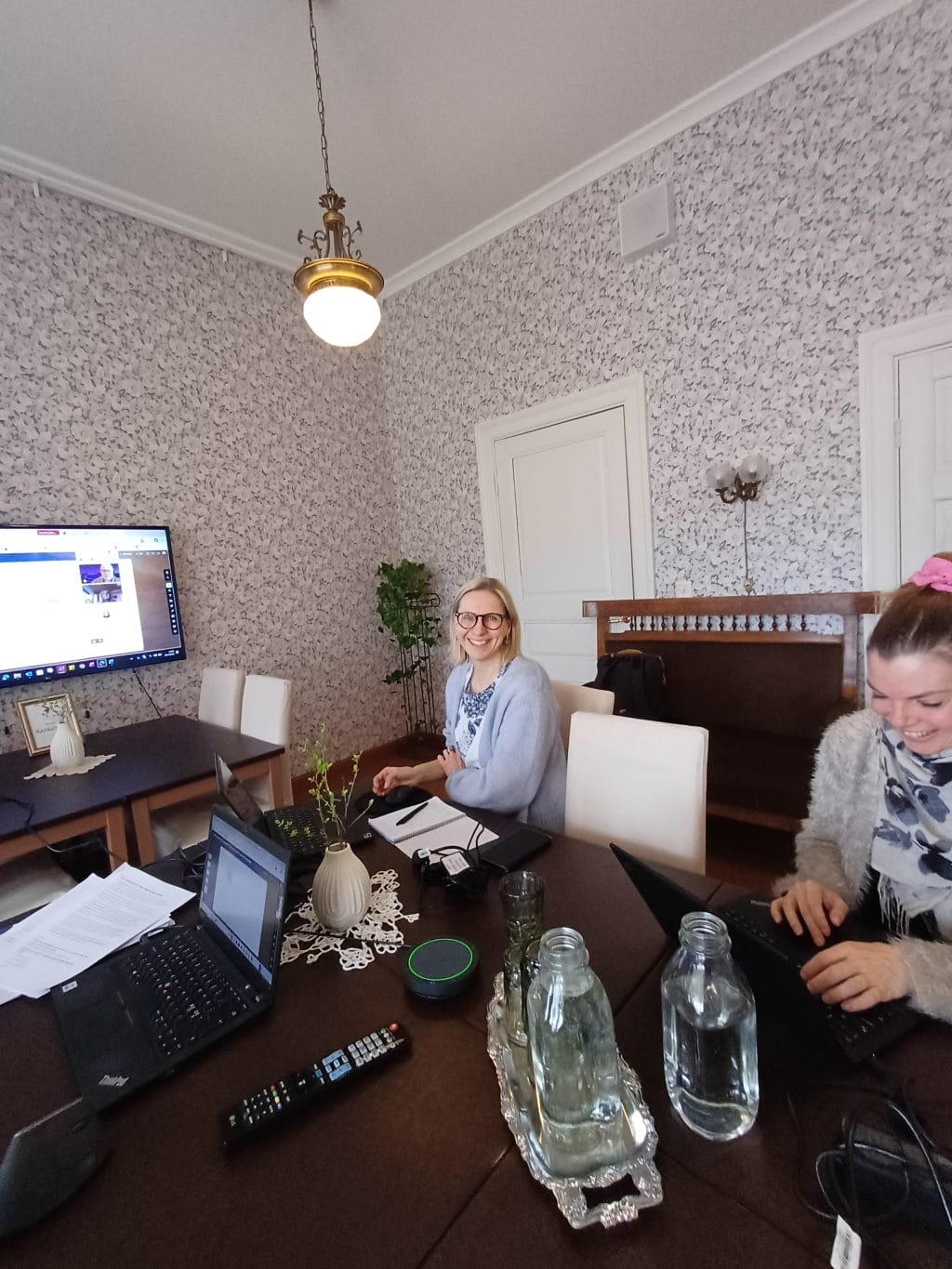
brainstorming with Annele and the team
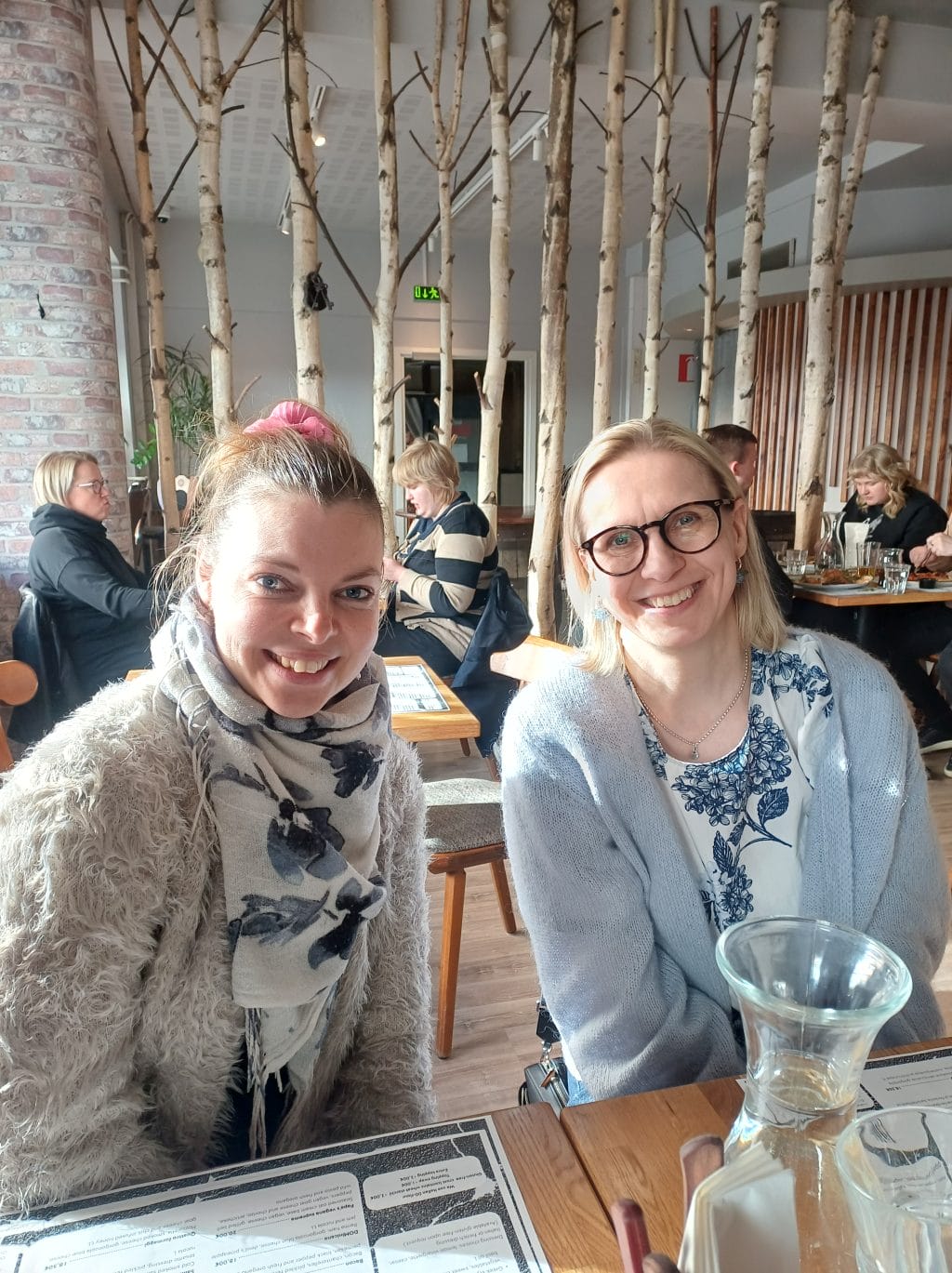
meal after productive work
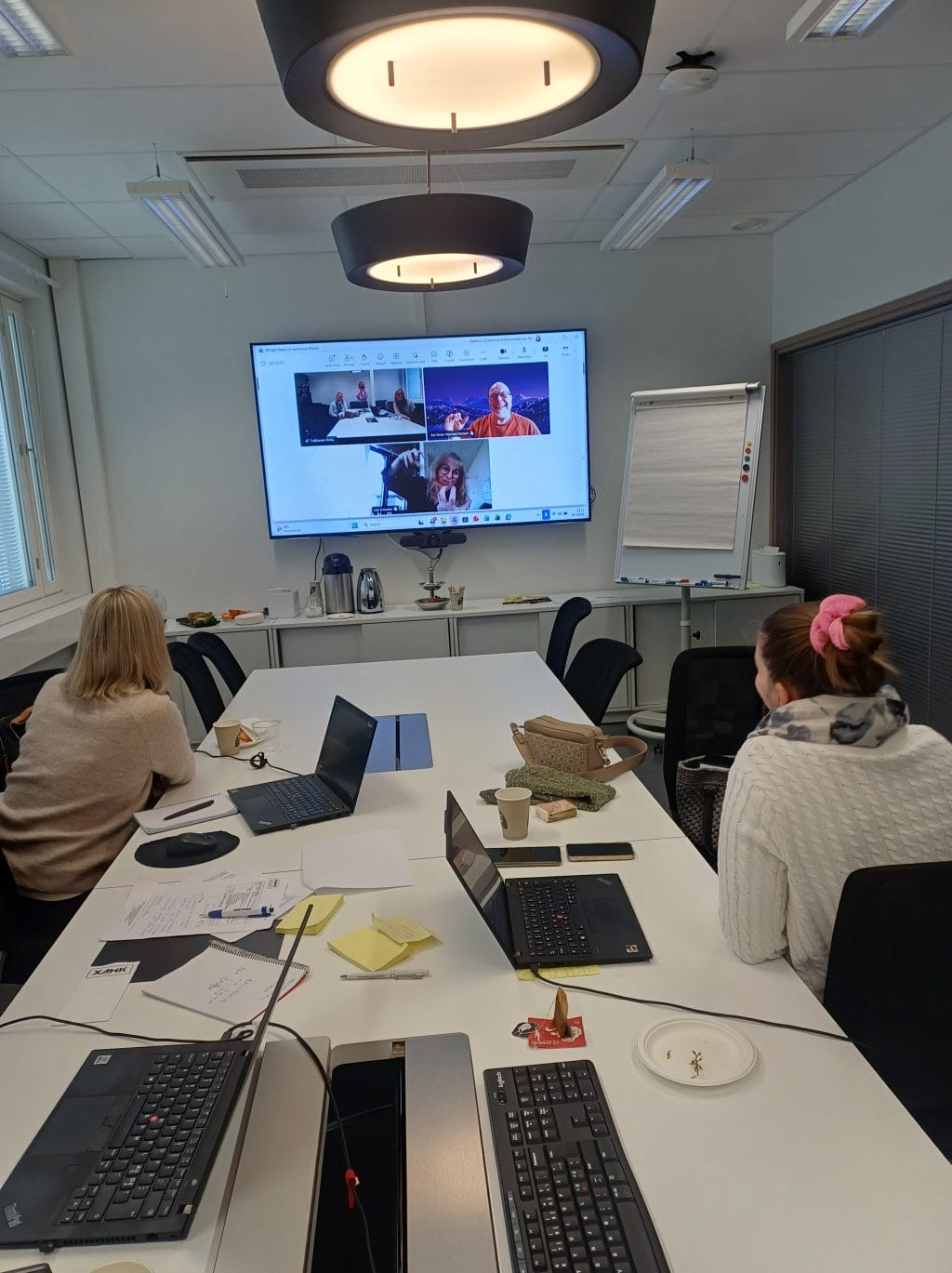
gathered together via Teams
looking forward to the next workshop
ThingLink studying platfom
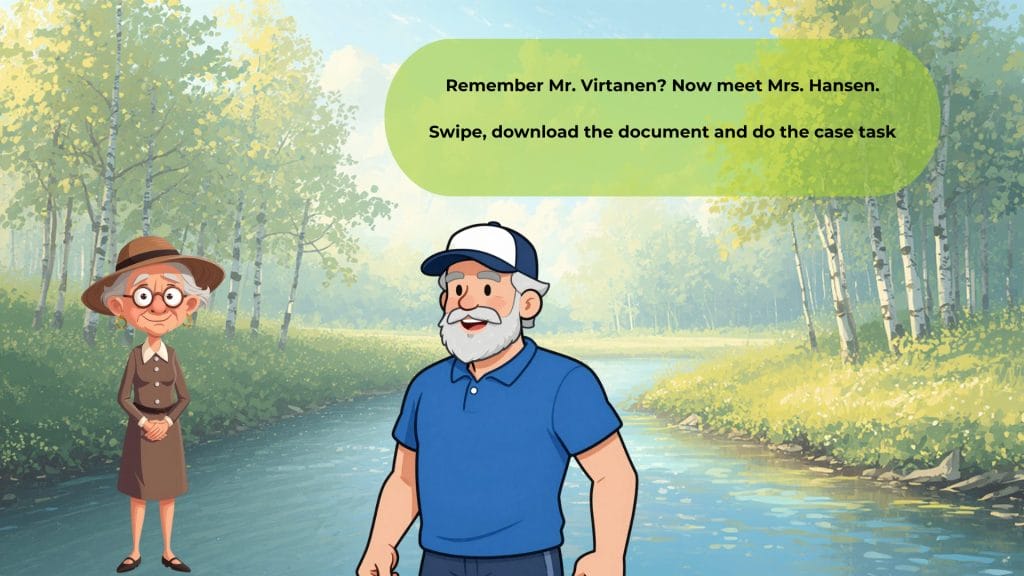
The modules of our Togetherness course are incorporated into the ThingLink platform that allows interactive learning and step-by-step familiarisation with the materials. In order to carry the course in a practical and empathetic way, the experts in our team created several characters representing older individuals. They talk about their stories, welcoming the student into a narrative style of background information that can be used to build a case and organise interventions. The characters have the assigned names, life stories, habits, living environments and appearances. Applying the story created by an expert, a portrait has been created and animated through HeyGen platform. Following this link you can see, for example, the story of Mr. Virtanen. Mr Virtanen.mp4
The students’ task, throughout the course, is to spend time with our characters and implement various solutions to better their lives focusing on various aspects of their living arrangements, their diets, habits, psychological state, health status or social surrounding. In order to include the characters’ stories deeper into the course, and divide their profiles into digestible parts to work on, we also used Canva to appropriate the individuals in broader formats. For example, on the following poster, you can see the Canva version of Mr. Virtanen and another character, Mrs. Hansen, introducing a student to an assignment.
MingleMeals song
Experiences and articles

From Nursing Studies to Entrepreneurship – Chaturika Turned Hygiene Expertise into a High-Quality Cleaning Business
Youth oriented approach in food education
Study skills development BIP by INGENIUM visited Savonlinna for a week
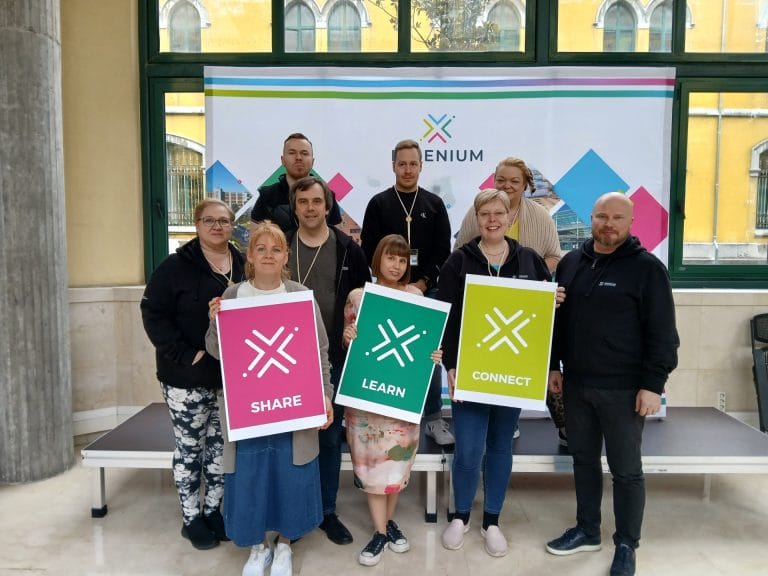
INGENIUM’s Senior School helps participants build European networks, develop working-life skills, and identify their personal strengths
Facts
MingleMeals: Connecting Kitchens and Institutions for Nutritional Social Wellbeing for elderly in the Nordic Communities
Info
Budget
Project partners


Contact:
riitta.tuikkanen@xamk.fi, tel. +358407723385