


- Article
- Experience
- News
- Personal story
- Press release
Youth oriented approach in food education
Our development work is based on research. Results from latest School Health Promotion Study and Youth Barometer show that food and eating are strongly connected to overall well-being, everyday life management, and financial possibilities. Our times are particularly challenging for young people and students moving out on their own, as financial support has been reduced while living costs have increased. Research findings challenge us to find new, community-based ways of working in food education among young people.
Food is present in young people’s lives every single day.
We found it very important to create something new, also in Xamk’s point of view. PLANEaT – youth-oriented food education is the first project in which Xamk’s Sustainable Food Services Reseach Unit and Youth Research and Development Unit Juvenia join their forces.
But what does youth-oriented approach in food education mean in practice? I’ll give you four angles.
1. Facing the reality
It is important that young people are heard throughout the entire planning and implementation process. As a practical example is our co-operation with Nuotta coaching. Nuotta coaching is a process for young people who are clients of outreach youth work or youth employment services. We have invited young people who have previously participated in Nuotta coaching to plan implementation with us from the very beginning. Their ideas and perspectives provide a strong foundation for new procedure.
Our activities are also carried out together with students of youth work: young students create activities for other young people. An example of this, an exchange student from Spain and finnish community educator student from Xamk did wonderful tapas-tasting happening for students of Paukkula campus.
2. Participation and action
Discussions have their value, of course, but young people wish more action and opportunities to take part, to do something! Building food experiences and cooking together with young people is a learning process; young people strengthen their everyday skills and also general knowledge and ability about food culture, while professionals learn more about wishes and realities of young people.
Couple of examples of this too. At the Culture House Kajo we conjured up a shared Easter meal with 17 young adults. With Mikkeli outreach youth work groups we cooked delicious dinner and had a lovely picnic. We also pimped quark and fast-porridge with multiple side dishes. Recipes have been chosen through voting, for example with tokens, ensuring that everyone can influence the outcome what are we going to cook or make.
3. Participatory budgeting
After voting we tell how big our budget is. Financial thinking developes by calculating together what the budget actually covers in practice. Our recipes are suitable for everyday cooking and based on cheap ingredients. While having possibilities to choose, make decisions and learn new skills young people train their abilities to plan their own way to manage everyday life.
4. To be involved in important moments
A youth oriented approach goes where young people are — where their important moments and shared memories are made. Students’ everyday life and celebrations in upper secondary level studies have been present in our activities.
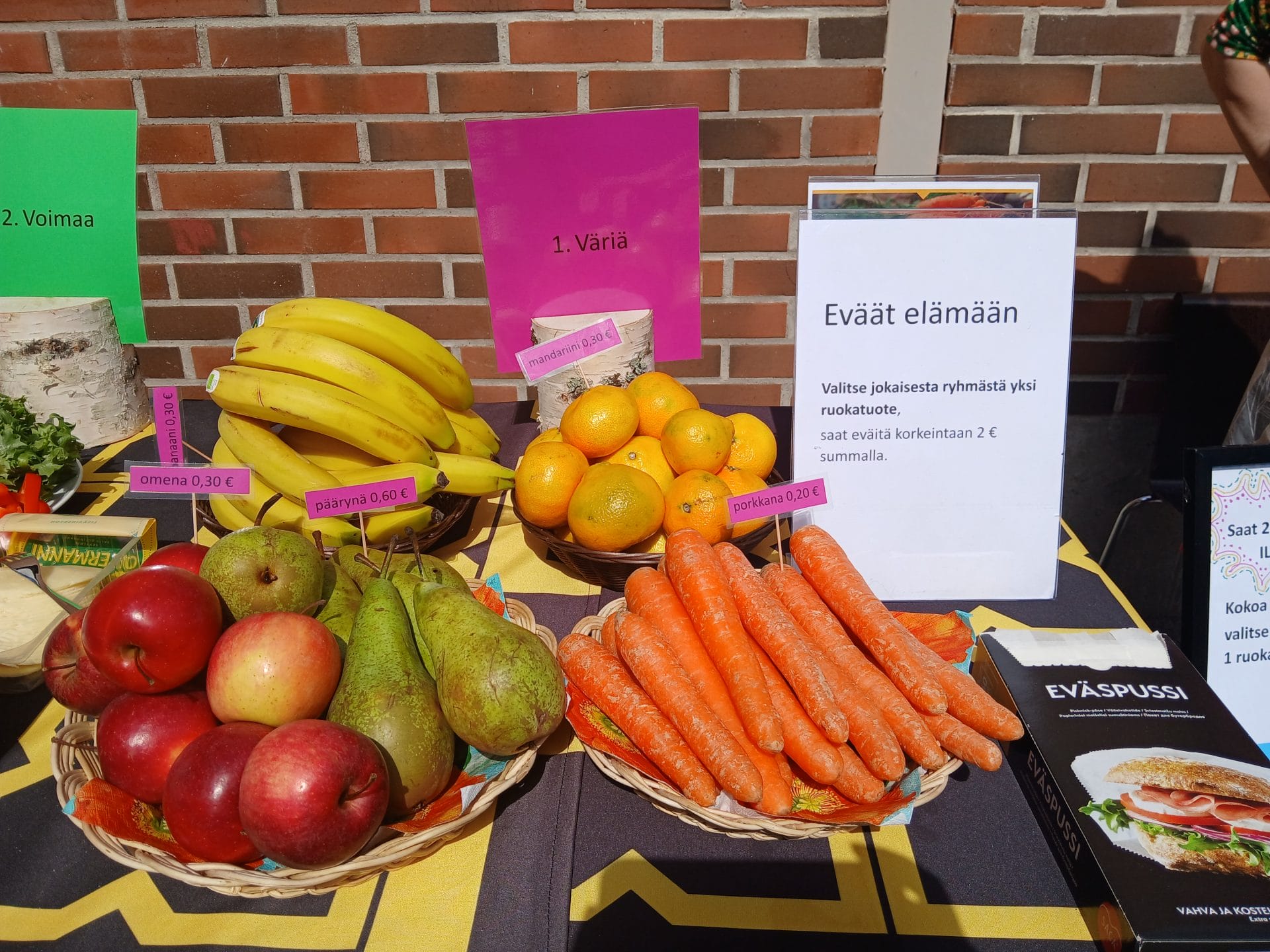
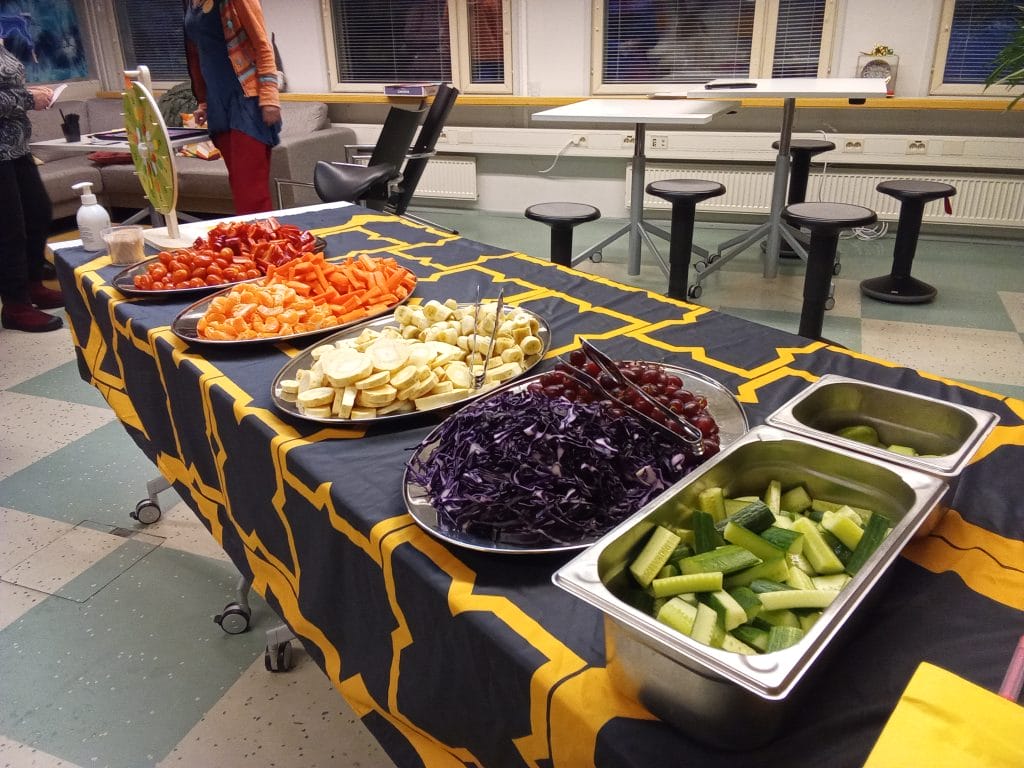
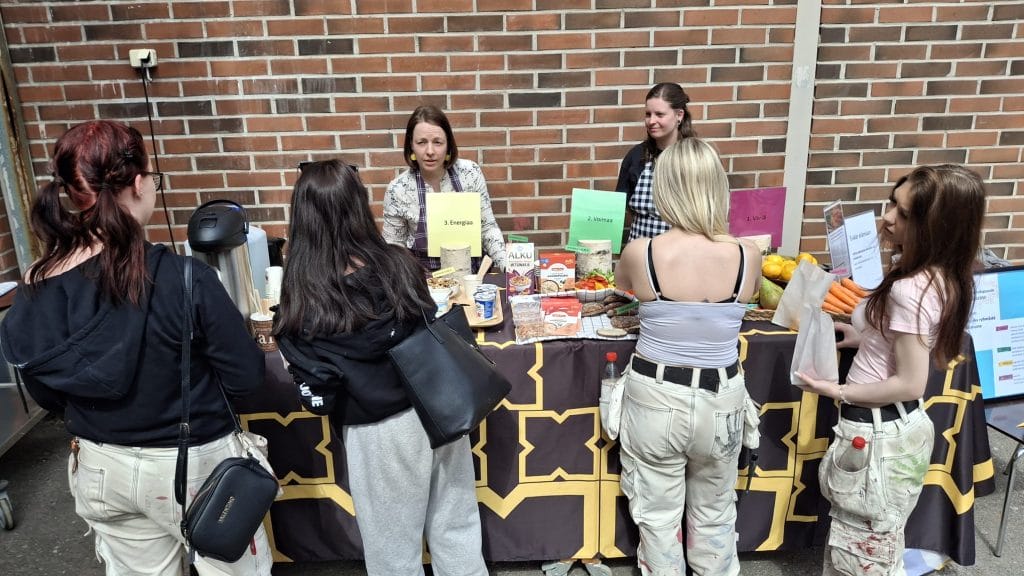
“Cujakuppila goes Glamour” event during the seniors’ prom day at Mikkeli Upper Secondary School created a new, inclusive cocktail-party tradition. The activity point at Paukkula’s Evening for close ones encouraged young people and their close ones to use more vegetables and fruits, and to engage in positive food talk through collecting food memories. At vocational school, Esedu, we had an activity, where participants practiced choosing nutrionally balanced snacks for workdays, internships, or excursions.
Collaboration with student youth work, upper secondary institutions, and various organisations will continue in the autumn: we’re going to develop a game, to have cooking clubs in the student dormitory and in Vekaranjärvi garrison. Youth oriented approach means identifying and creating places and possibilities for encounters and inviting participation beyond traditional boundaries.
Joy of food
Everyone should have the right to feel joy of food — a sense of well-being that arises from cooking, eating, and being together. The concept joy of food emphasizes enjoyment, community, and experiencing meals with all the senses. In our project we concentrate on asking and hearing what brings joy of food to our target group. We don’t give ready answers or guidance without participation; we support agency and active role of young people in all parts of the project procedures.
Youth oriented approach means turning attention also to young people who are in vulnerable situations. Encouraging small improvements in well-being through kindness and building positive experiences becomes pivotal. Youth oriented approach means that the direction of progress is created together with the target group. Skills, agency and joy grow by doing and experiencing together.
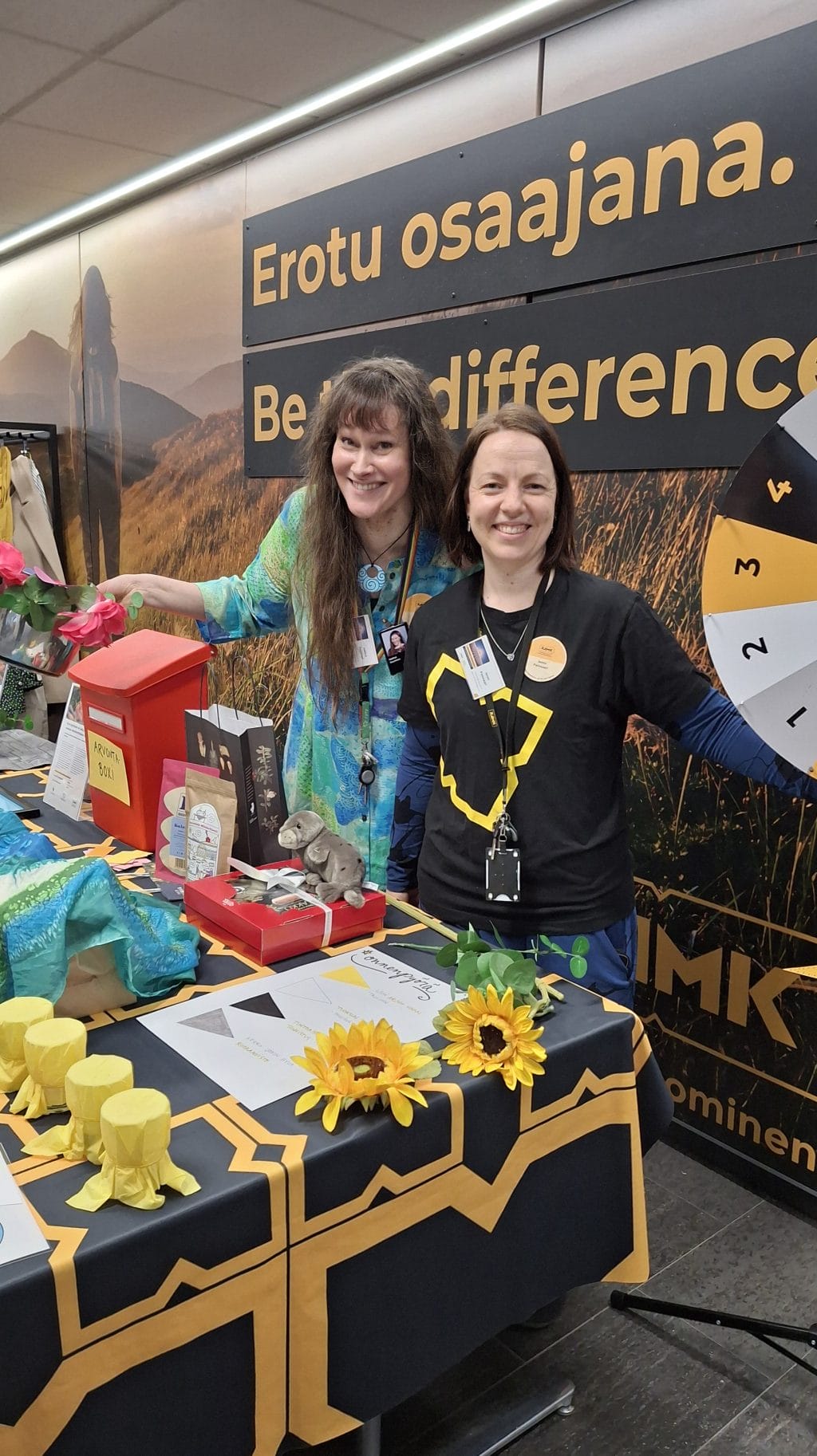
PLANEaT – Youth-oriented food education is a project that strengthens young people’s agency. The PLANEaT project is funded by the Food Chain Development Fund of the Ministry of Agriculture and Forestry on Finland thought the Finnish Food Authority. The project is implemented by the Research Unit for Responsible Food Services and the Youth Research and Development Unit Juvenia at South-Eastern Finland University of Applied Sciences from 1 January 2026 to 31 December 2027. More information about the project is available here.
Written by:
Tutustu myös näihin artikkeleihin

From Nursing Studies to Entrepreneurship – Chaturika Turned Hygiene Expertise into a High-Quality Cleaning Business
Study skills development BIP by INGENIUM visited Savonlinna for a week