



- Article
- Experience
- News
- Personal story
- Press release
Test results guiding the improvement of oil spill response preparedness
Marine fuels are changing. In particular, the shift to lower-emission marine fuels has introduced substances into maritime transport for which there is no prior experience regarding their containment in the event of an incident. Testing is a way to determine the spill behavior and recoverability of different fuels in advance, which is why oil spill response testing plays a major role in preparing for oil spills. However, testing was not possible in Finland prior to the launch of the oil spill response testing and training facility at the South-Eastern Finland University of Applied Sciences (Xamk) in 2022. During its short period of operation, the testing facility has initiated several concrete development initiatives.
Green transition as a driver of development
The first major change in marine fuels followed the implementation of the Sulphur Directive. When the directive came into force in 2015, most vessels operating in the Baltic Sea switched from heavy fuel oils to lighter marine diesel oil or marine gas oil.
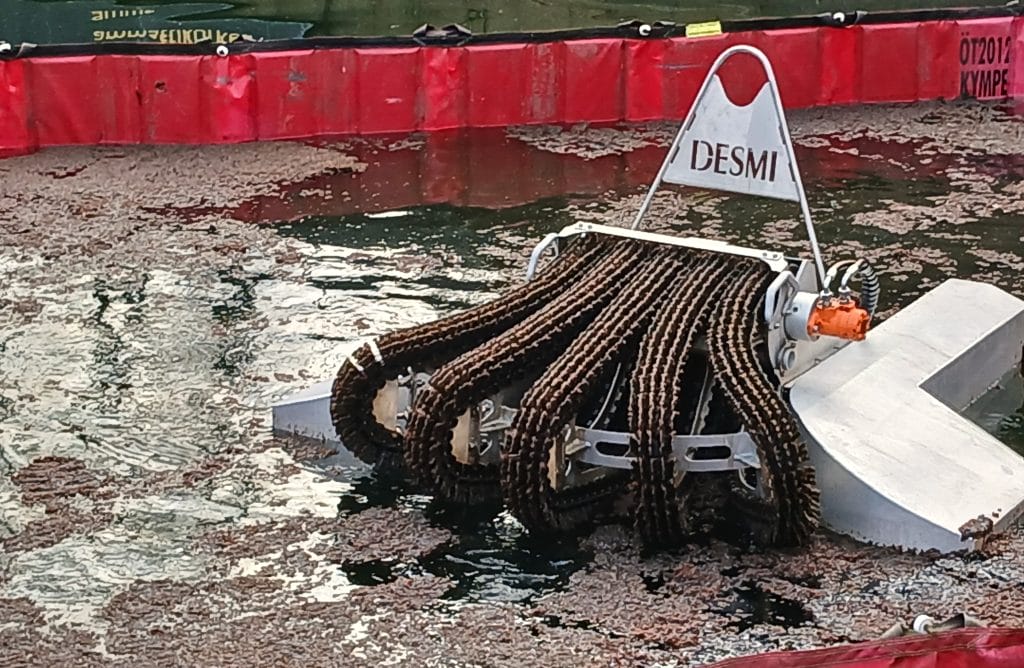
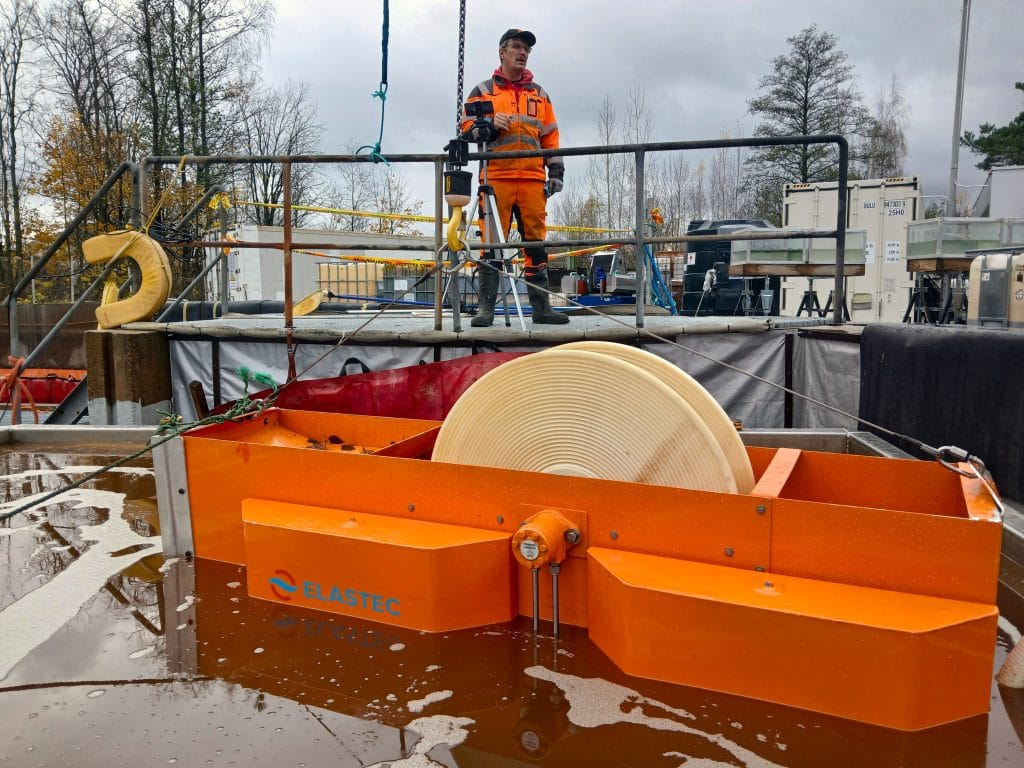
Since vessels used to operate mainly on heavy fuel oil, oil spill response and recovery equipment had been procured with potential spills in mind. However, recovery tests conducted at Xamk’s oil spill containment basin revealed that the oil recovery equipment was not functioning optimally with the new, lighter marine fuels. Light, more fluid oils —whether made from fossil or renewable raw materials— require a different type of recovery equipment than heavier oils. It was found that such equipment is virtually non-existent in Finland. Prompted by the test results, a change is now underway:
– A total of ten oil recovery systems, designed specifically for this purpose, are being funded for five rescue services along the Gulf of Finland coast and in the Archipelago Sea region, says Senior Officer Ville Estlander of from the Finnish Ministry of the Interior. Without testing, deficiencies in the equipment might not have been detected until after an incident had occurred.
In addition, some of the raw materials used to produce renewable or recycled oils, which are transported by sea, solidify when they are spilled into the water. The latest test results also point to a similar problem with low sulphur heavy fuels:
– Low Sulphur Fuel Oils, which entered the market at the turn of the last decade, behave differently in the marine environment to traditional heavy fuels. The challenge is further complicated by the wide variety of these fuels and the fact that their properties differ from one another. This makes it difficult to predict how oil will behave if it is spilled into the sea, explains Heli Haapasaari, Pollution Response Adviser from the Finnish Border Guard Headquarters. The high temperature dependence of their behaviour further increases this variability.
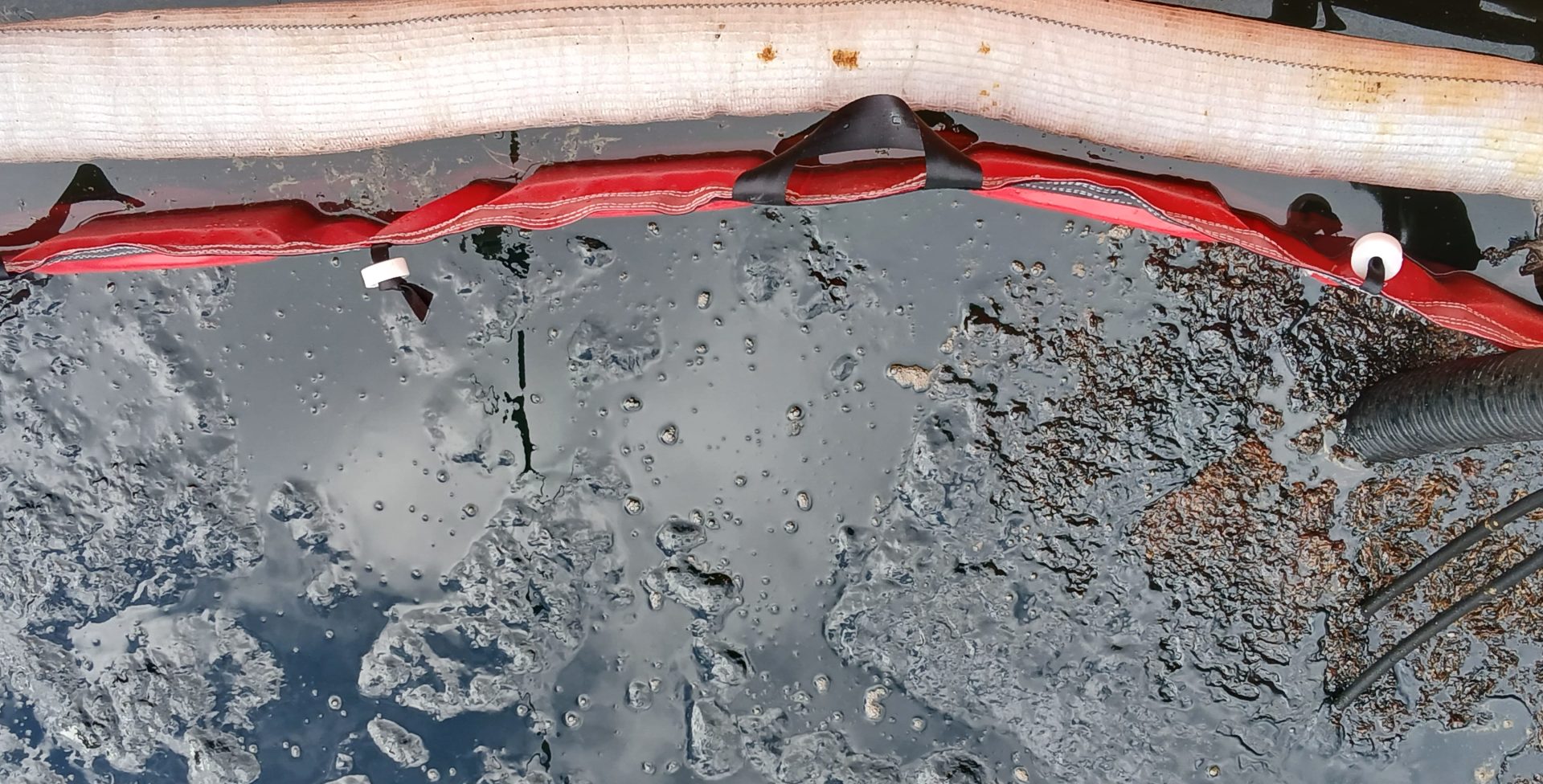
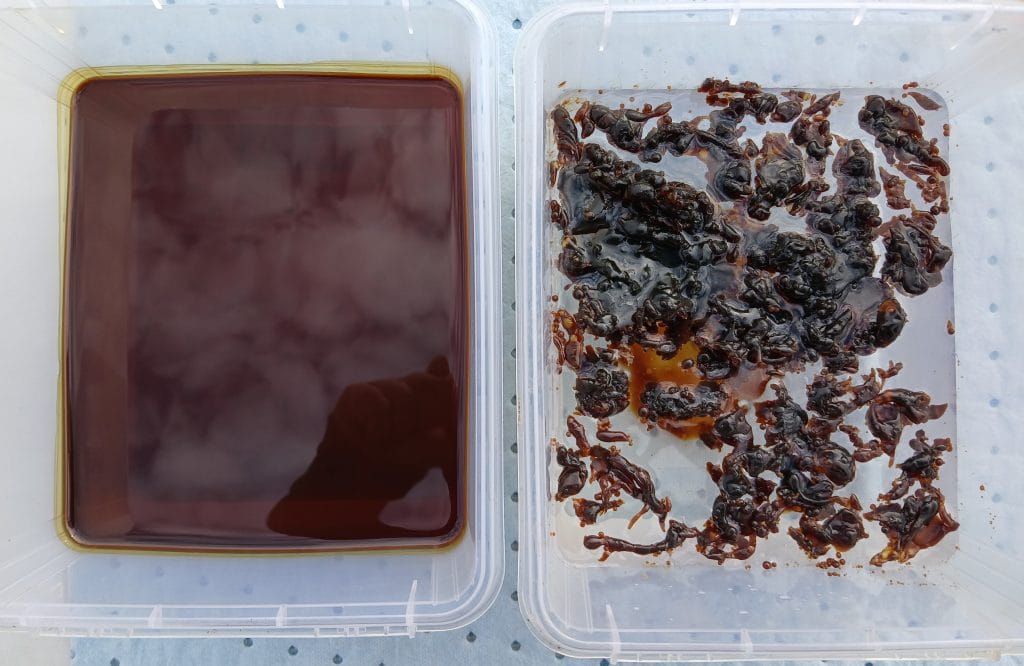
Oil recovery tests conducted at Xamk’s oil spill response testing facility highlighted the challenges posed by the spill behavior and recoverability of low sulphur heavy fuel oils: The ultra-low sulphur marine fuel tested began to solidify in the water after being spilled due to its high pour point. In experiments conducted with various oil recovery equipment, the change in the oil’s physical state either reduced recovery efficiency to a remarkably low level or prevented oil recovery entirely.
As part of the testing process, alternative equipment solutions were explored to enhance preparedness. These findings have led to action being taken:
– Measures to diversify the equipment and improve readiness for spills involving low sulphur fuels are already underway, says Haapasaari.
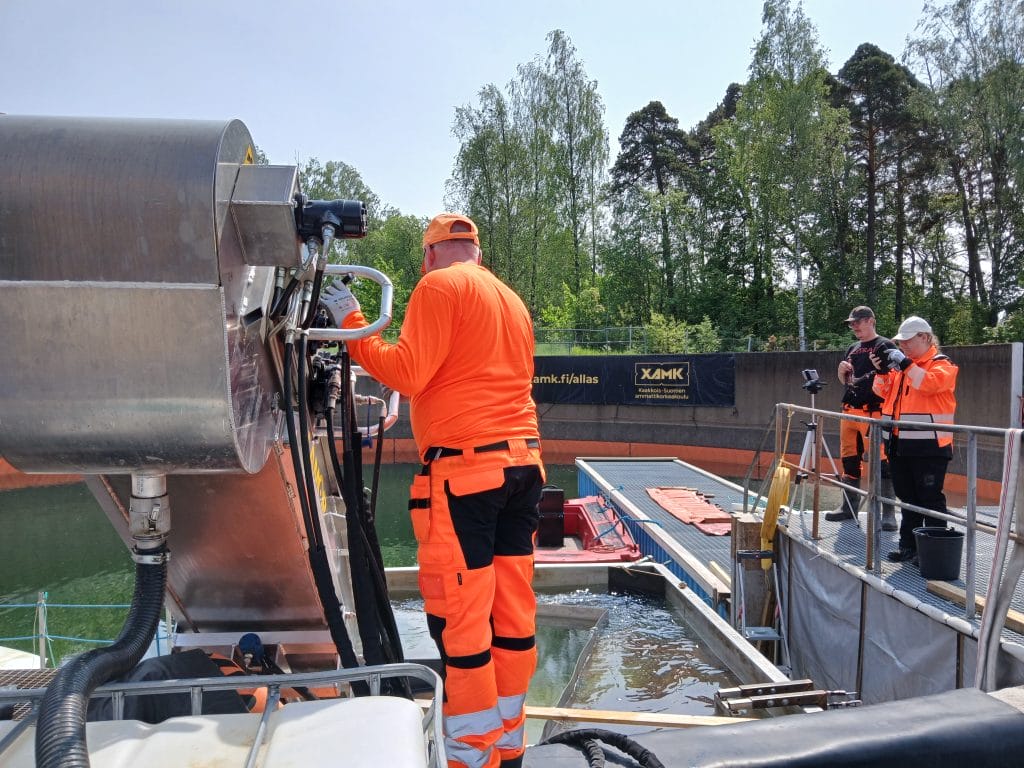
– It’s motivating to see how our work is supporting the development of national preparedness in concrete ways. In addition to investing in equipment, the authorities have also incorporated our findings into their operational guidelines, says Justiina Halonen, Research Manager at Xamk. The impact of these results stems from close collaboration with rescue services, the Border Guard, environmental authorities, non-governmental organisations, and businesses.
Consistent and systematic approach needed
The constantly changing operating environment highlights the importance of practical testing: to maintain readiness, it is necessary to periodically verify that response and recovery capabilities align with the current risks. Change is currently happening relatively quickly: in addition to the changes that have already occurred in fossil fuels and the growing use of alternative marine fuels, such as ammonia and methanol, it is also becoming increasingly important to prepare for other chemical incidents. Only by systematically testing different substances under various conditions can sufficient knowledge be gained about the actual performance of equipment and the need for capacity development.
The diversification of marine fuels and the risk of spills involving other chemicals mean that response capabilities must be continuously assessed and tested under various conditions.
There is still plenty of work to be done: – We have only managed to assess the recoverability of some of the substances that pose a risk of marine pollution, Halonen notes. Even this initial overview has shown the necessity of testing, with concrete changes in preparedness resulting from the information gathered. There has been a great need for this information as it was previously impossible to produce such data due to the lack of a suitable testing environment.
The new R&D infrastructure has further strengthened Kymenlaakso’s position as a specialist in oil spill response. The outlook for the future is also promising:
– Our oil spill response testing and training facility serves national response readiness and supports technological development in the field. Our next goal is to establish ourselves as the leading centre of expertise in oil and chemical spill response in the Baltic Sea region, envisions Research Director Petteri Jernström from Xamk.
– Internationalisation is now well underway. Fuel recovery testing has strengthened our research collaboration with Norway and France, among others, and equipment and product testing is being conducted not only with European companies but also with British and American ones, Halonen explains.
– Our asset is a full-scale testing environment that is exposed to weather variations, providing an excellent setting in which to develop expertise in responding to spills in winter and cold conditions.
More information
Justiina Halonen
Research Manager
Logistics and Seafaring Research Unit
+358 44 702 8514
justiina.halonen(at)xamk.fi
Petteri Jernström
Research Director
Circular economy, energy, logistics
+358 50 345 9540
petteri.jernstrom(at)xamk.fi
View the results of the oil spill response testing
Results from the MARISEC project, which investigated the recoverability of low-sulphur heavy fuels and marine diesel oil. The project was supervised by the Ministry of the Interior and funded by the Ministry for Foreign Affairs via the IBA (Funding for Cooperation in the Baltic Sea, Barents Sea and Arctic Regions). The project concluded on January 2026.
The research article Responding to Spills of Marine Distillate Fuels compares the oil recovery efficiency between brush and disc skimmers when recovering marine diesel oil.
Results of a project investigating the recoverability of new types of fuels and liquids. The projects Response Demonstration Areas for Spills of Renewable and Bio-based Liquids (A78380 and A78383) were funded by the Kymenlaakso Regional Council from the European Regional Development Fund (ERDF), Xamk, the South Savo Rescue Service, the Kymenlaakso Rescue Service, Lamor Corporation Ltd, and Neste Oyj. The project ended on August 2023.
The results of Xamk’s R&D activities in oil spill response, at a glance xamk.fi/oilspillresponse
See also
Press release issued by the Ministry of the Interior on February 2026, regarding government funding to improve the oil spill response capabilities of coastal rescue services: *Coastal oil spill response readiness is improving* (In Finnish only)
The University of Applied Sciences’ oil spill response testing and training facility was built on the site of Kymen Vesi Oy’s former wastewater aeration basin, with funding from the ERDF granted by the Kymenlaakso Regional Council and additional funding from Xamk. The basin is maintained with funding from Xamk and the City of Kotka, as well as through the provision of expert services.
Also check out these articles

List of graduates from Xamk in September

Xamk strengthens Mikkeli’s international higher education offering with new English-taught degree programmes