



- Article
- Experience
- News
- Personal story
- Press release
Xamk and TH Lübeck deepen their cooperation – double degree opens a new international pathway
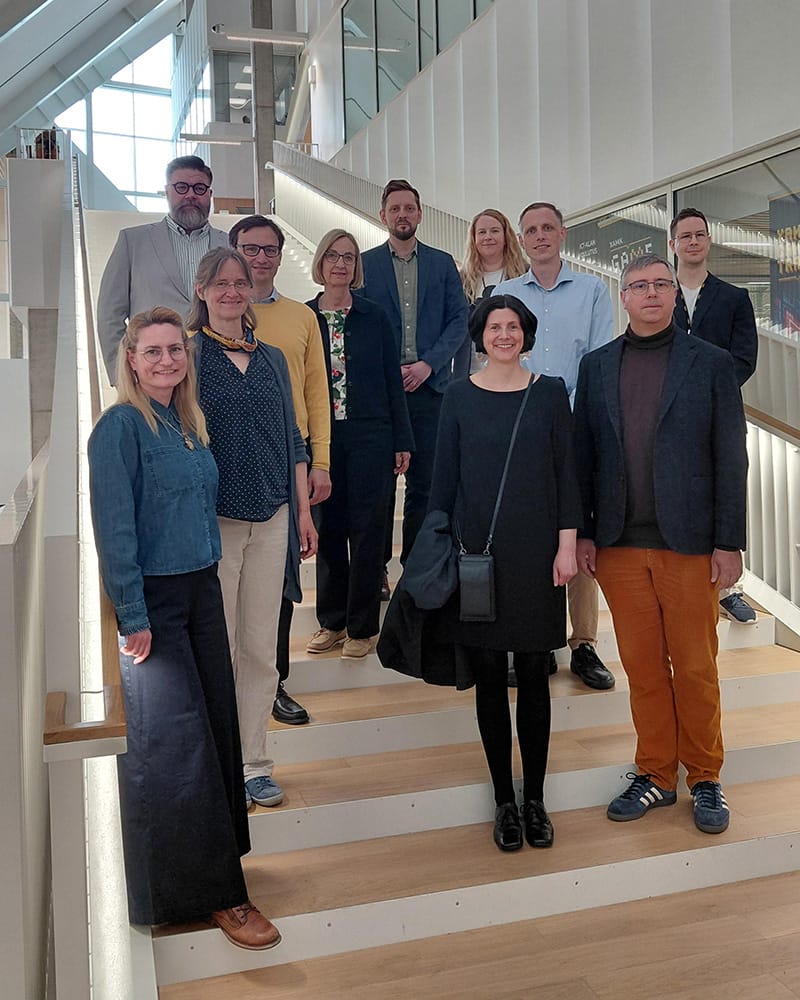
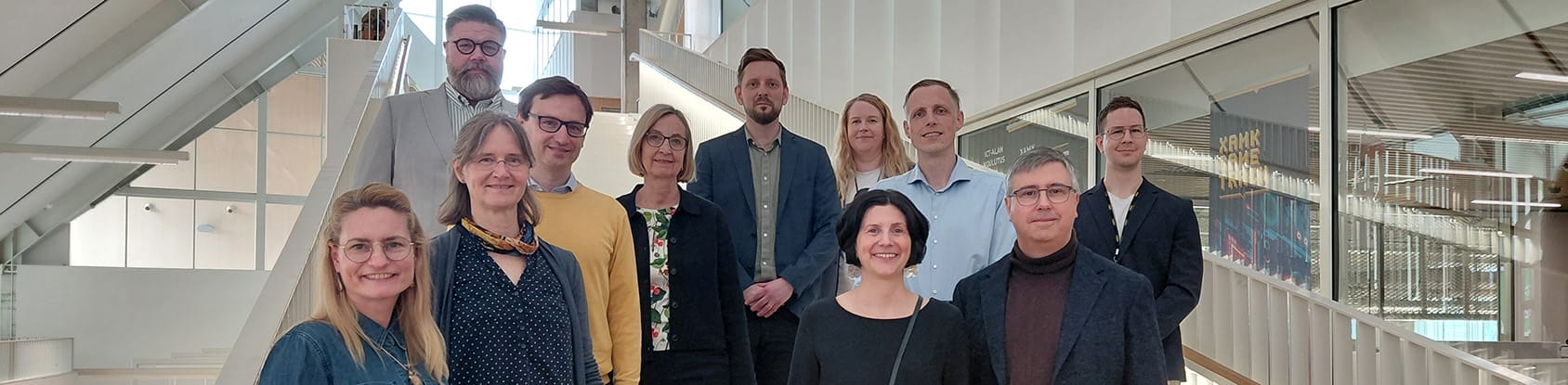
In May, Xamk hosted an expert delegation from TH Lübeck at its Kotka campus. During the visit, the universities further advanced their cooperation particularly in education, digital learning solutions, as well as research, development and innovation (RDI) activities.
A significant step was taken in spring 2026, when the partners signed their first double degree agreement. The agreement covers Xamk’s Game Programming studies in Kotka and TH Lübeck’s Information Technology and Design programme.
Through the double degree model, students can complete part of their studies at the partner university and receive a degree certificate from both institutions. In practice, this means that Xamk’s Game Programming students can spend a year studying in Lübeck, while TH Lübeck students can study in Kotka. The first students from Xamk will head to Lübeck in autumn 2026.
“The cooperation has progressed rapidly from planning to implementation. The double degree agreement offers students a clear and flexible international study path while strengthening their competences in an international environment”, says Juho Rajala, Head of Technology Education at Xamk
Strategic partnership with strong growth potential
At TH Lübeck, the partnership is seen as strategically important. According to Vice President for International Affairs Karen Cabos, the cooperation with Xamk is “our strategic international partnership and our outstanding cooperation in Europe”, already spanning programmes across all faculties and offering strong potential for further growth both in scope and intensity.
She adds that bringing experts together regularly has acted as “a very successful accelerator in setting up double degree programmes” and has also expanded collaboration towards broader discussions on the future of MINT-focused universities in Northern Europe.
Added value for students
For students, the double degree model provides concrete benefits beyond international experience. Karen Cabos emphasises that “by offering binding curricula they add reliability to the international exchange: students can be sure that they will get credit for their study abroad.”
At the same time, the cooperation widens academic opportunities, as “the joint curriculum offers students courses and specialisations that would not have been available at their respective home university alone.”
Shared approach enables smooth cooperation
The universities underline that their shared approach to education has enabled smooth cooperation. As Karen Cabos notes, the institutions “share the same ideas when it comes to designing curricula, methods of teaching and fostering innovation”, which has made it easier to agree on joint programme structures.
Both partners also value practical, hands-on approaches, which has supported the rapid progress of collaboration and strengthened the working relationship between the teams.
Looking ahead: expanding cooperation
The cooperation will continue to deepen, with plans to expand the current model. Karen Cabos explains that the established double degree will serve as “a blueprint for other double degree options”, while joint academic pathways are being explored as promising next steps.
The partners also see opportunities in cross-cutting themes such as digital teaching methods, continuous education, and broader collaboration with additional academic partners.
At the same time, strengthening interaction between students is seen as an important future direction. Karen Cabos highlights that “stronger cooperation between our student bodies would add additional flavour to our cooperation”, noting that the first double degree students may mark the beginning of this development.
Regional impact and future steps
The cooperation between the universities also has regional significance, as Kotka and Lübeck are twin cities. The partnership supports stronger ties between the cities and promotes the mobility of expertise.
The next joint meeting will be held in Lübeck, where the partners will continue developing new study pathways and RDI cooperation.
More information
Also check out these articles

Did you graduate from Xamk in 2021? Respond to the Career Monitoring Survey by 9 November

List of graduates from Xamk in September