



ViseLog – Green Transition to Knowledge Capital for the Logistics Industry
The project’s objective is to develop logistics education and collaboration based on the competence needs of the green transition and low-carbon transportation. Additionally, the aim is to strengthen the skills of students, teaching staff, and professionals, as well as to promote continuous learning and career development in the field.
Innovative and developing logistics
Green transition into knowledge capital
As a result of the project, a comprehensive foresight and skills needs assessment for logistics education will be produced, with a particular focus on the requirements of the green transition. Additionally, educational content will be developed and updated, pilot training sessions will be organized, and simulation pedagogy will be strengthened, which will enhance expertise in the field and improve the availability of skilled labor in the long term.
The green transition affects us all.
Currently in the project:
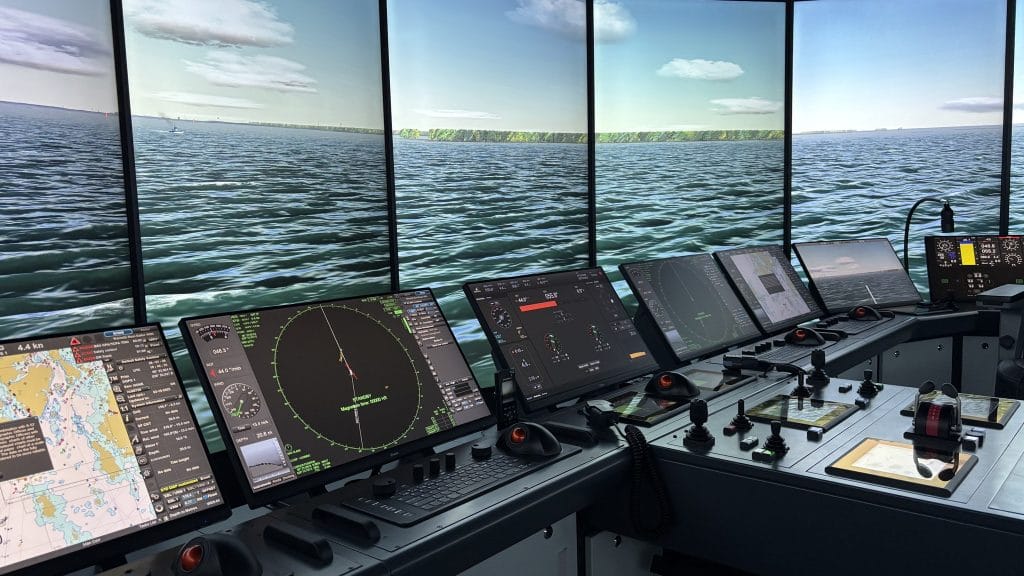
The simulation day of the ViseLog and LOBARA projects gathered a large group of partners from the logistics and maritime industry on the Xamk campus on January 27, 2026. The number of participants was a positive surprise – maritime simulators and simulation-based development are clearly of interest and are being discussed right now..
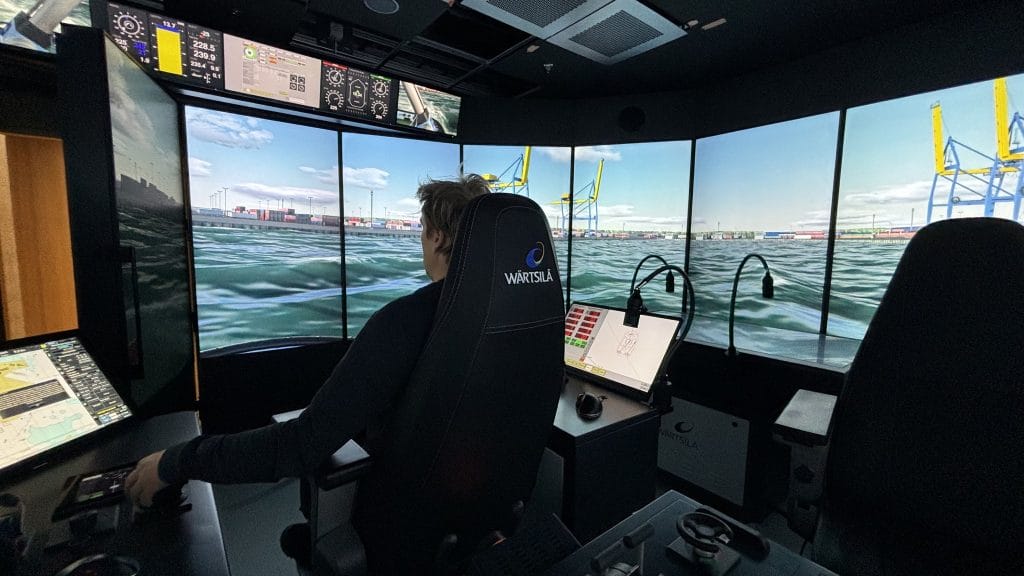
The day began with a tour, where participants were able to take a peek “behind the scenes” into the simulation environments. The tour introduced them to the data center, the engine room simulation room, and the simulators’ adaptability to different ships and uses. For many, the highlight was the opportunity to test their skills in practice: those who wanted to were able to virtually drive a tugboat into the Mussalo harbor basin, which concretized the benefits of simulations through hands-on experience.
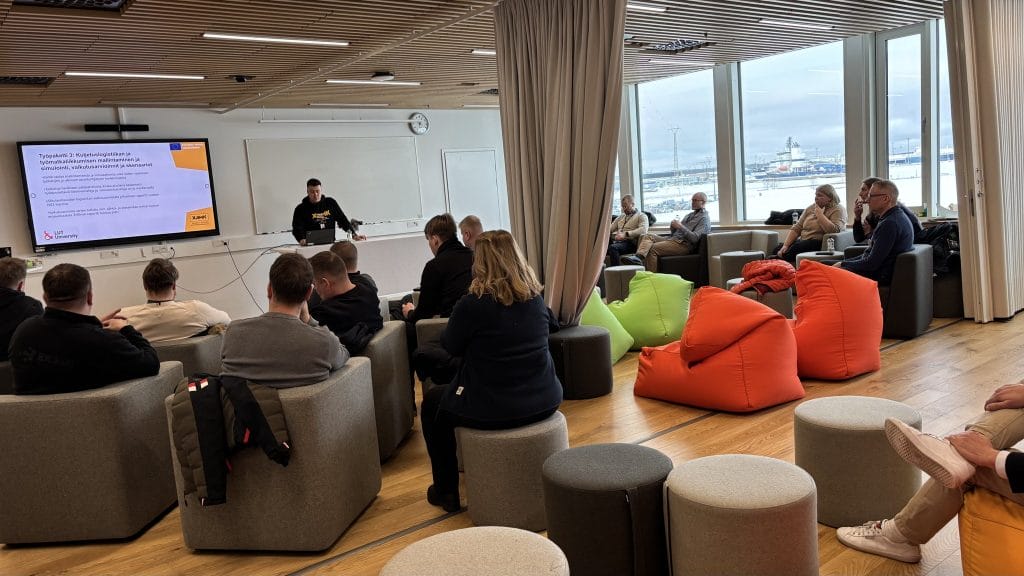
After lunch, the discussion continued with companies, where they discussed, among other things, what companies want from Xamk as a partner, how simulations could be better utilized in developing business operations, and how cooperation opportunities should be communicated so that the information also reaches smaller operators. The discussions particularly highlighted the possibility of visual simulation to reduce costs and test bottleneck and exception scenarios safely.
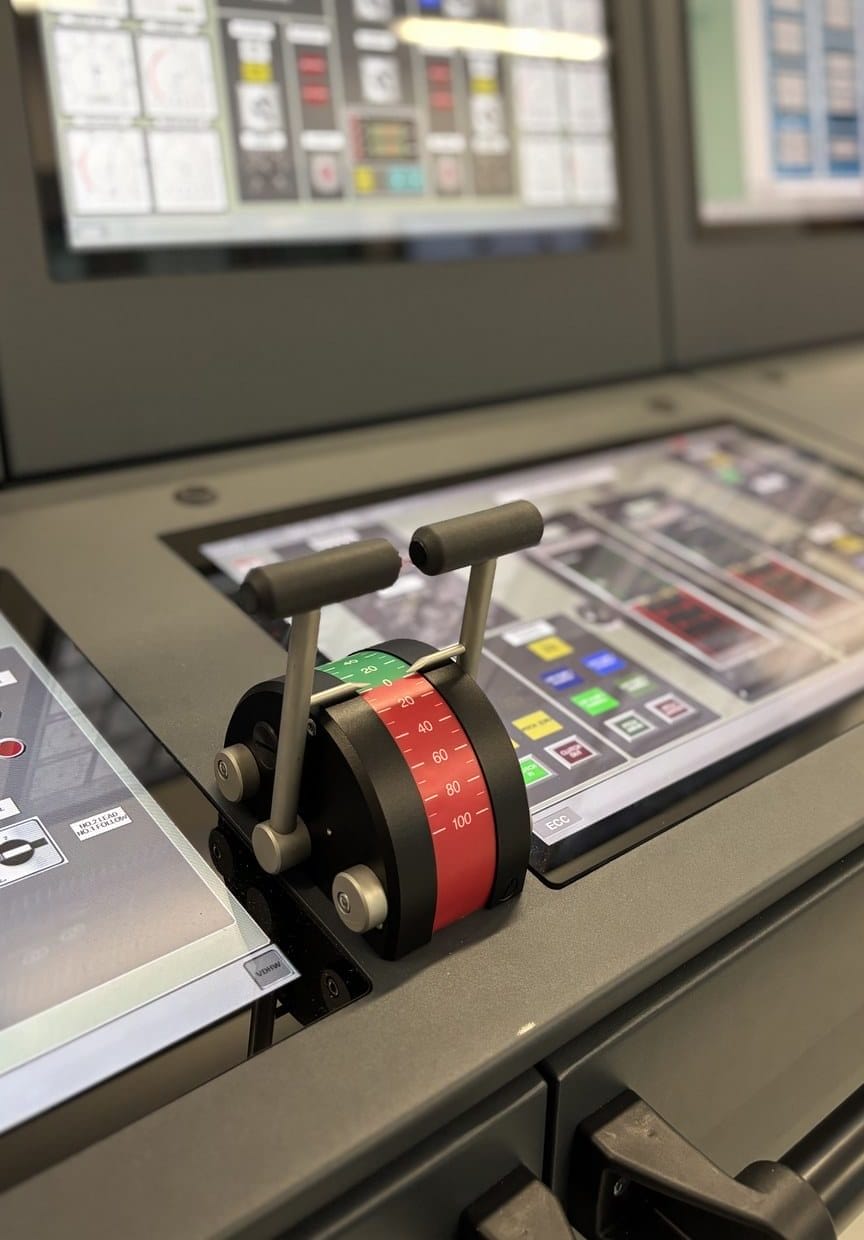
Several participants described the day as “eye-opening” – and the event provided valuable, practical feedback and new ideas for further development for the project. Themes also highlighted cooperation between educational institutions, the challenges of reaching out to companies, and the need to make RDI cooperation and funding opportunities more familiar and accessible. This continues in much the same vein as the previously organised LOL event, which highlighted a strong need for concrete encounters and clear paths for cooperation.
Thank you to everyone involved – it’s good to continue towards the next common development steps!
Skills needs analysis in logistics companies
In the ViseLog project, we have carried out an extensive skills needs analysis together with logistics companies from across the sector. The work has involved transport, warehouse and terminal operators as well as other companies that play a key role in the logistics chain. The aim has been to understand what kind of competences the green transition, energy shift and digitalisation require in everyday logistics – not just in theory, but as concrete skills at the workplace.
The skills survey showed that the logistics sector is undergoing major change driven by digitalisation and the green transition. Companies need competence in understanding relevant laws and regulations, the current landscape of new energy and power solutions, eco-efficient driving, emissions measurement and the use of different digital systems. Young people’s digital skills are seen as a clear strength, but generic workplace skills and hands-on training also need to be strengthened. Simulator-based training is attracting interest among industry actors, but awareness of how and where it can be used still needs to be raised. Closer cooperation between education providers and companies is crucial to keep skills up to date and enable a sustainable transformation of the logistics sector.
The results of the skills needs analysis form the backbone for the further development of ViseLog. Based on these findings, we are planning short, work-life-oriented training modules and micro-courses, as well as simulation-based learning solutions. The goal is to build education and training that directly responds to the needs identified by companies and supports the sustainable growth and renewal of the logistics sector.
The full report will be published in spring 2026
Logistics Skills in Motion – Together Towards a Greener Future
The Logistics Skills in Motion event organised by the ViseLog project brought together representatives of logistics companies, education providers, teachers and experts under one roof in November to reflect on the future of the sector. The guiding idea for the day was to explore how the green transition, new energy solutions and simulation technologies can be turned into concrete skills and competitiveness – both in companies and in education.
The day started with expert presentations that opened up the ongoing changes in the logistics operating environment from different angles: evolving vehicle and equipment solutions, tightening regulation, and the opportunities and requirements created by digitalisation. The goal was not just to provide an “information package”, but to spark discussion about what these changes actually mean in everyday practice.
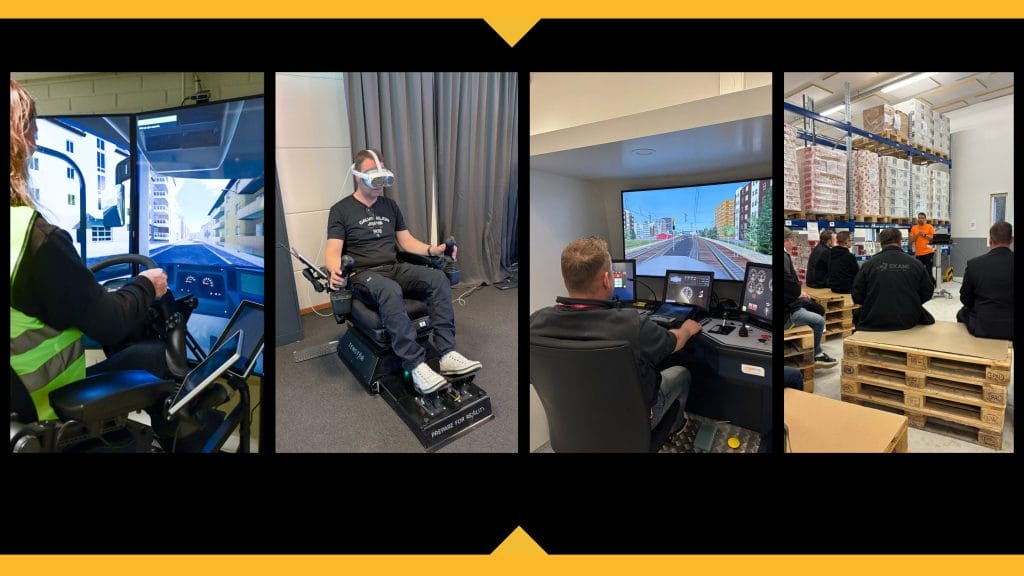
After the expert talks, it was time to do what logistics is at its best – focus on practice. Participants had the chance to try out different simulators and see how virtual learning environments can support skills development. Simulators made it possible to test situations that would be difficult or unreasonable to practise in real life: for example exceptional situations, disruptions and demanding driving conditions. For many participants, the simulator sessions offered a very concrete insight into how safety and competence can be developed in a cost-effective way.
A key part of the day was a group work session built around the question: How can we, together, get even more value out of new technologies and simulations for everyone’s business, now and in the future, as working life structures are changing? The groups engaged in lively discussion on, among other things, how cooperation between education and working life could be strengthened and how simulation exercises should be designed so that they better support development.
Feedback from the event was very positive. Participants especially appreciated the practical approach, the good atmosphere and the opportunity to network across different organisations. Many highlighted how valuable it was to see and experience simulations on site and to reflect together on how they could be used more effectively – both in education and in companies’ internal competence development.
Logistics Skills in Motion clearly showed that there is a strong need for shared discussion, concrete solutions and new ways of learning.
ViseLog showcased at sector events
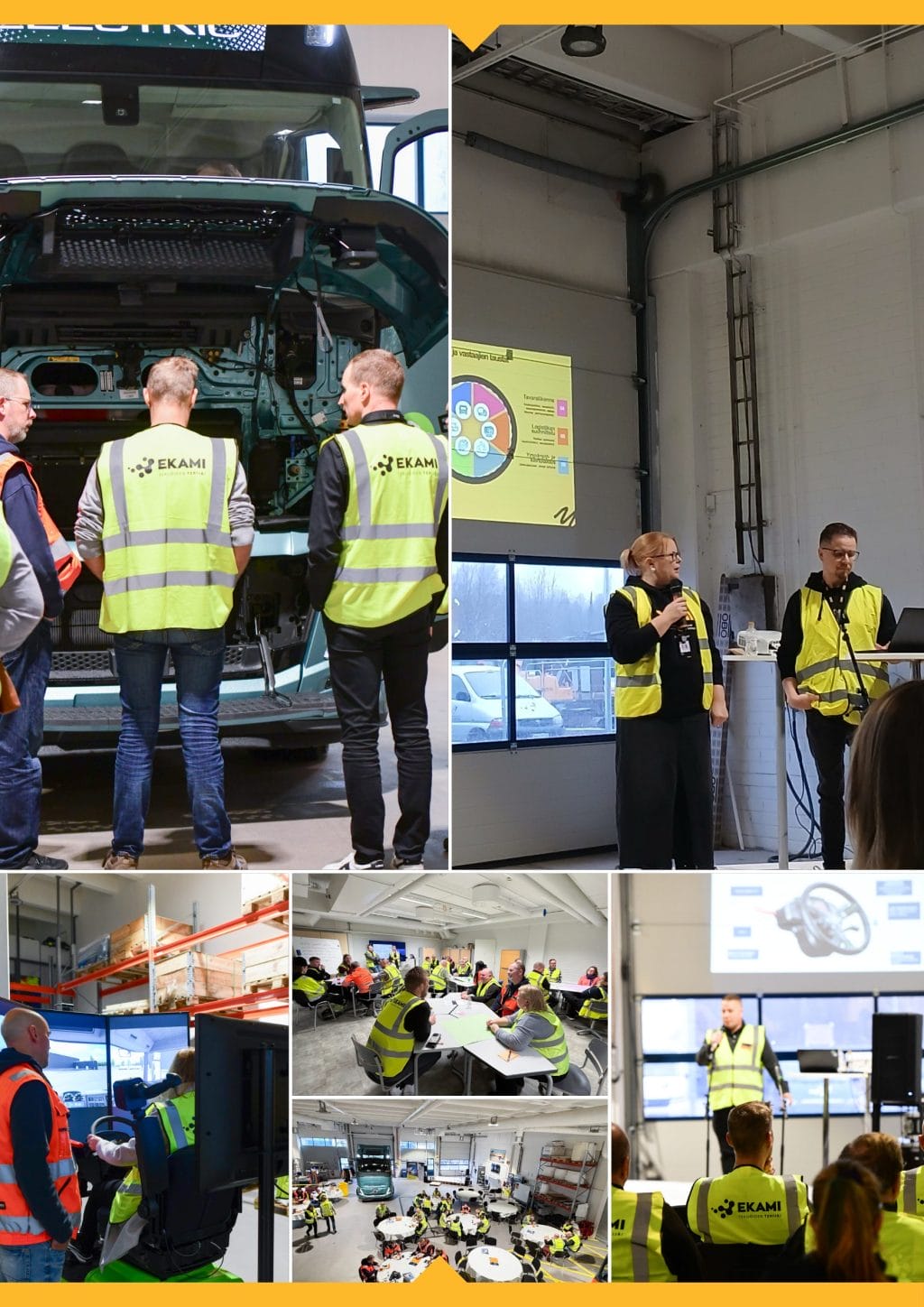
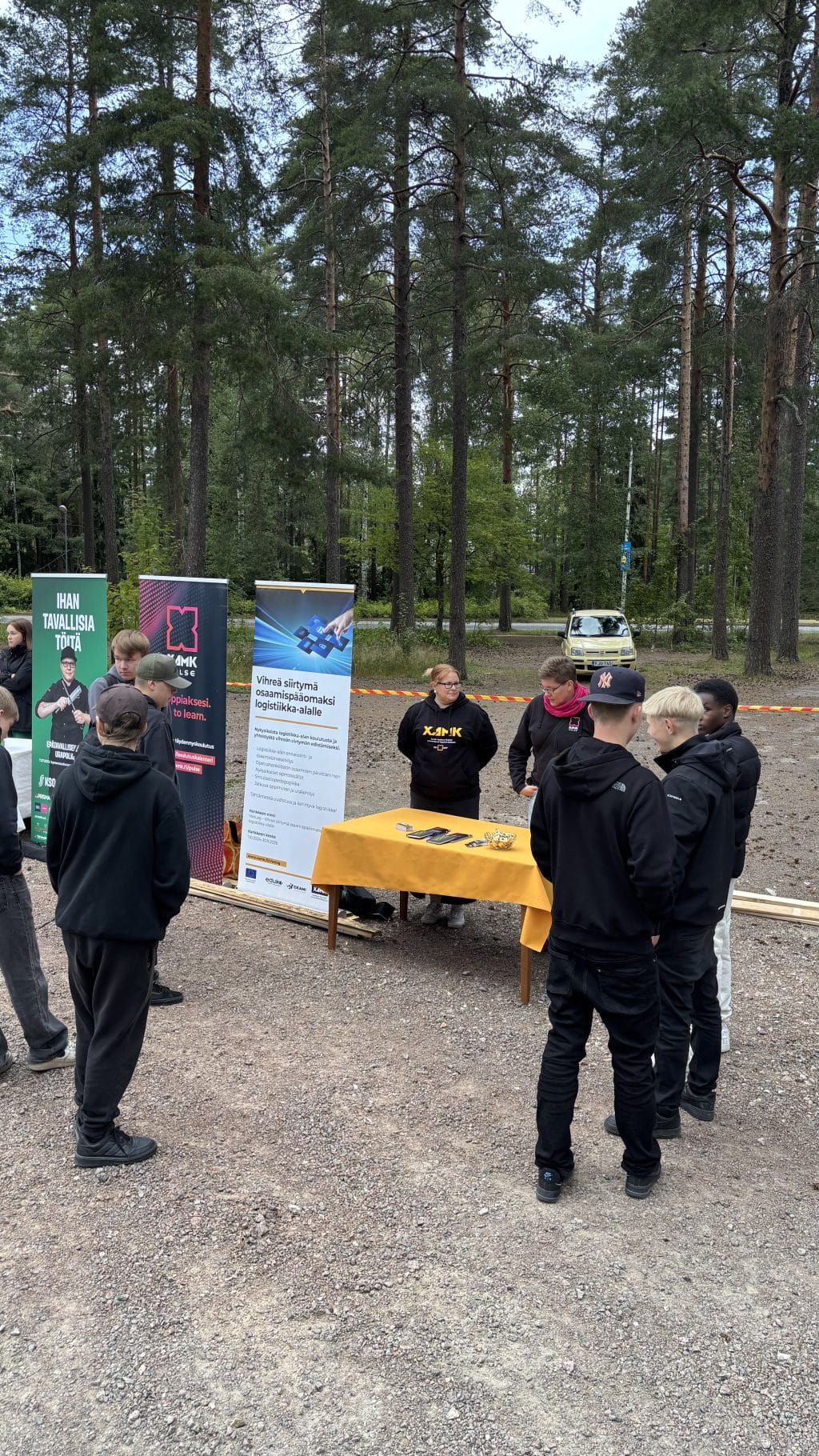
The ViseLog project has been actively present at various education and development events, where we’ve highlighted the skills needs linked to the green transition in logistics and the potential of simulations in teaching. The project has been showcased, for example, at the Hankeareena II event, Eduko Fest and Eduko’s Tehoväylä days.
At these events, we have presented the project’s goals, ongoing studies and first findings related to cooperation with companies, teachers’ skills needs and the development of simulation pedagogy. At the same time, we’ve had the chance to discuss with teachers, students and representatives of working life how logistics education can be updated to better respond to the changes brought by the green transition, new energy solutions and digitalisation.
This visibility at events has helped strengthen our cooperation networks and raise awareness of the project’s themes among a wider audience. The feedback and ideas gathered at these events are being put straight to use in the further development of ViseLog – with the aim that logistics education will respond even better to future skills needs.
Benchmark visits to simulation environments
During the ViseLog project, several benchmark visits have been carried out to educational institutions and companies that use simulation and simulators as part of training and competence development. The visit sites have focused in particular on transport, warehousing and maritime sectors – fields where safety, efficiency and a realistic operating environment play a key role.
On these visits, we have looked especially at how simulators are integrated into the entire learning pathway, not just offered as one-off “nice extra exercises”. Key observations include clearly planned training modules, realistic scenarios, systematic use of assessment and feedback, and a strong link to real working-life situations. In many places, simulations are used in parallel with workplace learning and other contact teaching, allowing students to practise the same skills in a safe yet realistic environment.
In company settings, we have seen how simulations are used in onboarding, staff upskilling and practising different exceptional situations. This helps to increase safety, reduce errors and improve operations without production downtime or risk to equipment.
Based on the reports from these benchmark visits, the ViseLog project will compile common guidelines and practical models for how simulation should be used in logistics education. On this basis, logistics training at Ekami and Eduko will be developed in, for example, the following ways: simulation exercises will be more tightly integrated into different qualification units, teachers will be provided with a clear operating model for simulation pedagogy, and cooperation with working life will be strengthened so that the exercises correspond as closely as possible to real situations.
The goal is that logistics students at Ekami and Eduko have access to modern, pedagogically well-designed simulation environments that support both the learning of basic skills and the new competences required by the green transition and new technologies.
Collaboration with other projects
The ViseLog project works closely with other logistics development projects, especially the LOBRA and VisLog projects.
The LOBRA project focuses on skills needs in logistics and the pedagogical use of simulations. Collaboration has included joint workshops, exchanging experiences on simulation-based learning environments, and making cross-use of the results from different skills needs assessments.
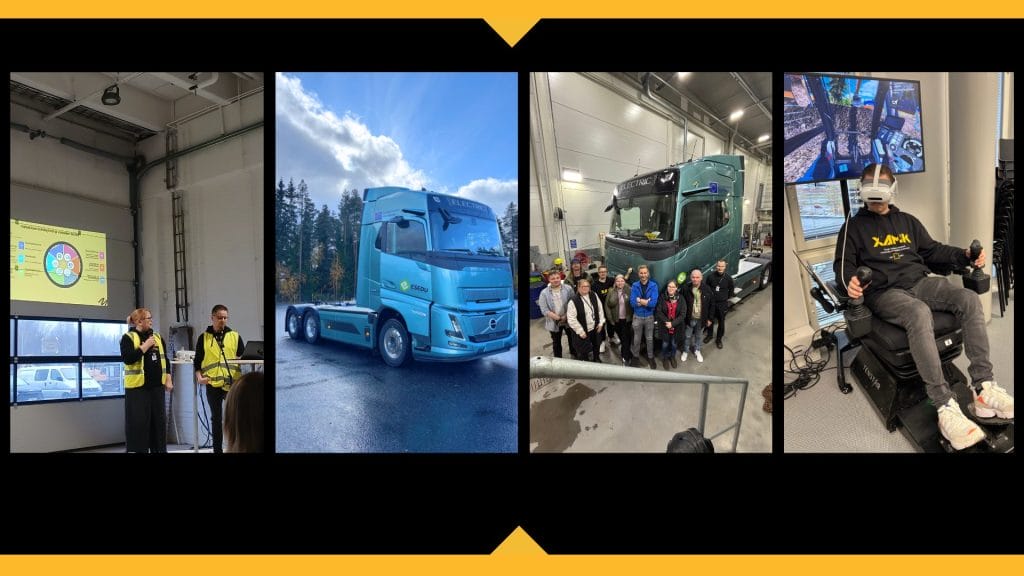
In the VisLog project, South Savo Vocational College (Esedu) is developing an electric high-capacity transport (HCT) combination vehicle as a learning environment. The project collects data on the use and driving of electric heavy vehicles based on the needs of working life, develops new competences to support the energy transition, and renews basic and continuing logistics education in close cooperation with companies and education providers. The ViseLog project team visited Esedu to explore the electric HCT combination and the learning environment built around it, and the insights from this visit are being used to develop logistics education at Ekami and Eduko and to design green transition content.
Thanks to this collaboration, the project outcomes reinforce one another, and logistics education can be developed in a coordinated way to meet the skills needs arising from new energy solutions and the green transition.
More together
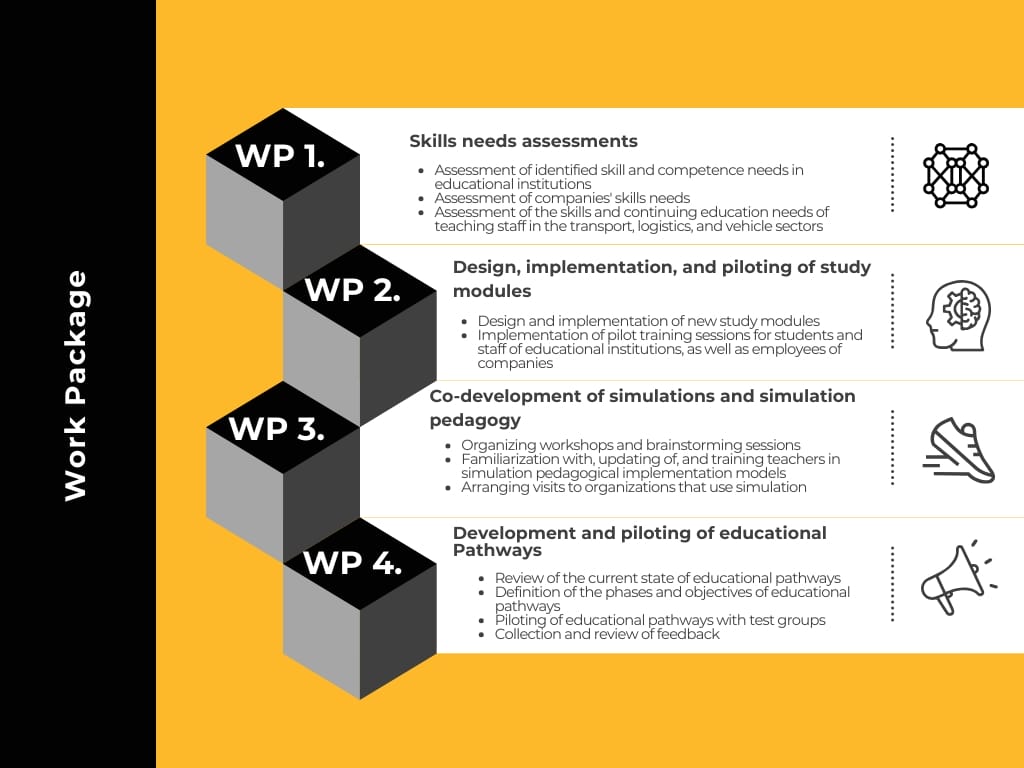
The project will be implemented in collaboration with Kouvola Vocational College and the Kotka-Hamina Region Education Consortium. The project phases are outlined below. All stakeholders will work closely together towards a common goal. Additionally, there will be cooperation with other related RDI projects. By following these websites, you can track the progress of the work packages.
Key actions of the project
The ViseLog project focuses on the skills needs of the logistics sector, particularly the requirements of the green transition and energy transformation.
Production of Foresight Information: Identify the skills needs in the logistics sector related to the green transition and low-carbon transportation.
Development of Education: Develop and update educational content, courses, and micro-courses to meet new skills requirements.
Strengthening Collaboration: Enhance cooperation between logistics education, RDI activities, and the labor market.
Enhancing Competence: Improve the skills of students, teaching staff, and professionals regarding the green transition and new energy forms.
Development of Simulation Pedagogy: Update the simulation pedagogy model and the skills of teachers to use new methods.
Development of Pathway Studies: Create a clear educational pathway from vocational schools to universities of applied sciences and increase youth awareness of these opportunities.
Pilot Training Sessions: Organize pilot training sessions for students and staff of educational institutions as well as employees of companies in the sector.
Long-term Impacts: Promote the development of skills in the logistics sector, availability of skilled labor, attractiveness of the field, extension of careers, as well as the green transition and climate work.
The goal of the project is to respond to the changing competence needs of the logistics sector and to support companies in the sector in the energy transition.
Group project



More together
The project will be implemented in collaboration with Kouvola Vocational College and the Kotka-Hamina Region Education Consortium. The project phases are outlined below. All stakeholders will work closely together towards a common goal. Additionally, there will be cooperation with other related RDI projects. By following these websites, you can track the progress of the work packages.
Experiences and articles
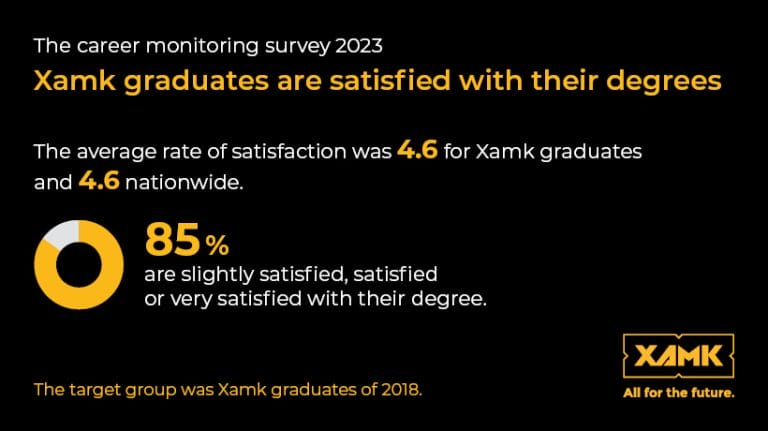
Career monitoring survey results from year 2023