



Studying in Finland
Why Finland?
The interviewees had heard about study opportunities in Finland from colleagues and from a family friend who has been living here. One of them has lived in Finland for less than a year, while the other has been here longer. Finland was chosen as a study destination because of the opportunities it provides. Here, the whole family has the chance to learn and participate in language training.
Challenges and Adaptation
At first, the main challenges were related to the weather, culture, and language, although this did not come as a surprise. One interviewee mentioned that adapting to a new role was particularly challenging. With a long work history, transitioning back to student life required adopting a new way of thinking. Another challenge was the irregularity of schedules: depending on the day, classes might start in the morning or in the afternoon. The lack of a regular rhythm made it difficult to combine work and studies.
Challenges such as finding housing were overcome with the support of teachers. One interviewee had also travelled extensively in the Nordic countries, which helped them to understand Finnish culture and made adaptation easier.
The Best Aspects of Studying
The orientation week at the beginning of the studies was considered extremely useful. During this time, the interviewees received information about studying at a university of applied sciences and about Finnish culture. For example, they were introduced to the student union, leisure-time events, and various clubs. The support provided by the university of applied sciences was seen as very important and helpful.
The interviewees highlighted the practical approach as the best aspect of their studies. One of them mentioned entrepreneurship and startup courses in particular, where they learned step by step how to establish a company in Finland. They also said they had already gained skills needed in working life during their studies.
Interactive Learning
The interviewees described studying in Finland as interactive, involving group work, presentations, and collaborative learning. One of them said this had especially improved their presentation skills.
“Group work helps you get to know other students, learn from them, and discover your own hidden strengths. Group members can complement each other’s skills, and the feedback is constructive. This is important in working life as well.”
One interviewee also talked about an opportunity offered by the university of applied sciences to do volunteer work in a shop. Through this, they gained experience of Finnish culture and working life. They hoped that the university would expand its networks and offer
more opportunities for different kinds of volunteer work. Such opportunities would help develop working-life skills, improve Finnish language proficiency, and provide experience of Finnish society. The interviewees also wished for more organized leisure activities so that students would not be left alone, as this has a significant impact on mental well-being. The interviewees described studying in Finland as interactive, involving group work, presentations, and collaborative learning. One of them said this had especially improved their presentation skills.
“Group work helps you get to know other students, learn from them, and discover your own hidden strengths. Group members can complement each other’s skills, and the feedback is constructive. This is important in working life as well.”
One interviewee also talked about an opportunity offered by the university of applied sciences to do volunteer work in a shop. Through this, they gained experience of Finnish culture and working life. They hoped that the university would expand its networks and offer more opportunities for different kinds of volunteer work. Such opportunities would help develop working-life skills, improve Finnish language proficiency, and provide experience of Finnish society. The interviewees also wished for more organized leisure activities so that students would not be left alone, as this has a significant impact on mental well-being.
“Finland is a great place to get an education. If you are active and ready to face challenges, such as the language, you are truly welcome.”
Tips for Other Students
- Take notes during classes.
- Be brave for asking questions, even if you feel unsure about it.
- Use feedback. Take it as constructive guidance, not criticism.
- Remember the importance of group work in developing working-life skills.
- Be active. There are many opportunities here, but you must look for them yourself.
- Don’t feel bad if someone does not respond to your message, for example regarding a job. You have done your best.
- Do volunteer work. It helps you to learn about Finnish culture and improve your language skills.
Also check out these articles
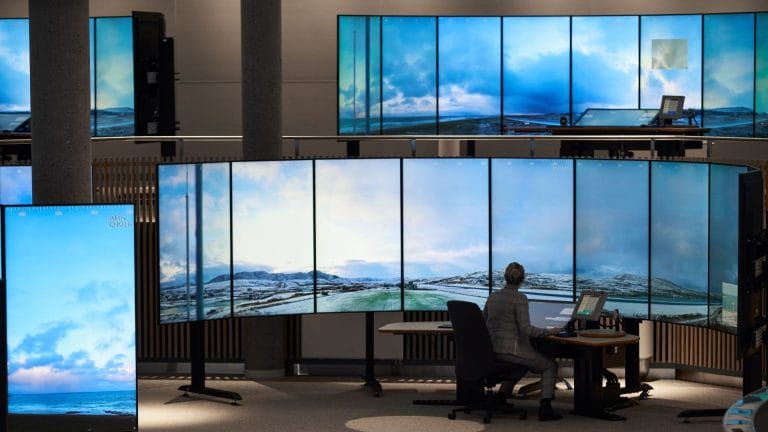
Digital Towers Can Secure the Future of Finland’s Smaller Airports

Xamk attracts applicants from across Finland – one quarter of first-choice applicants come from Uusimaa